
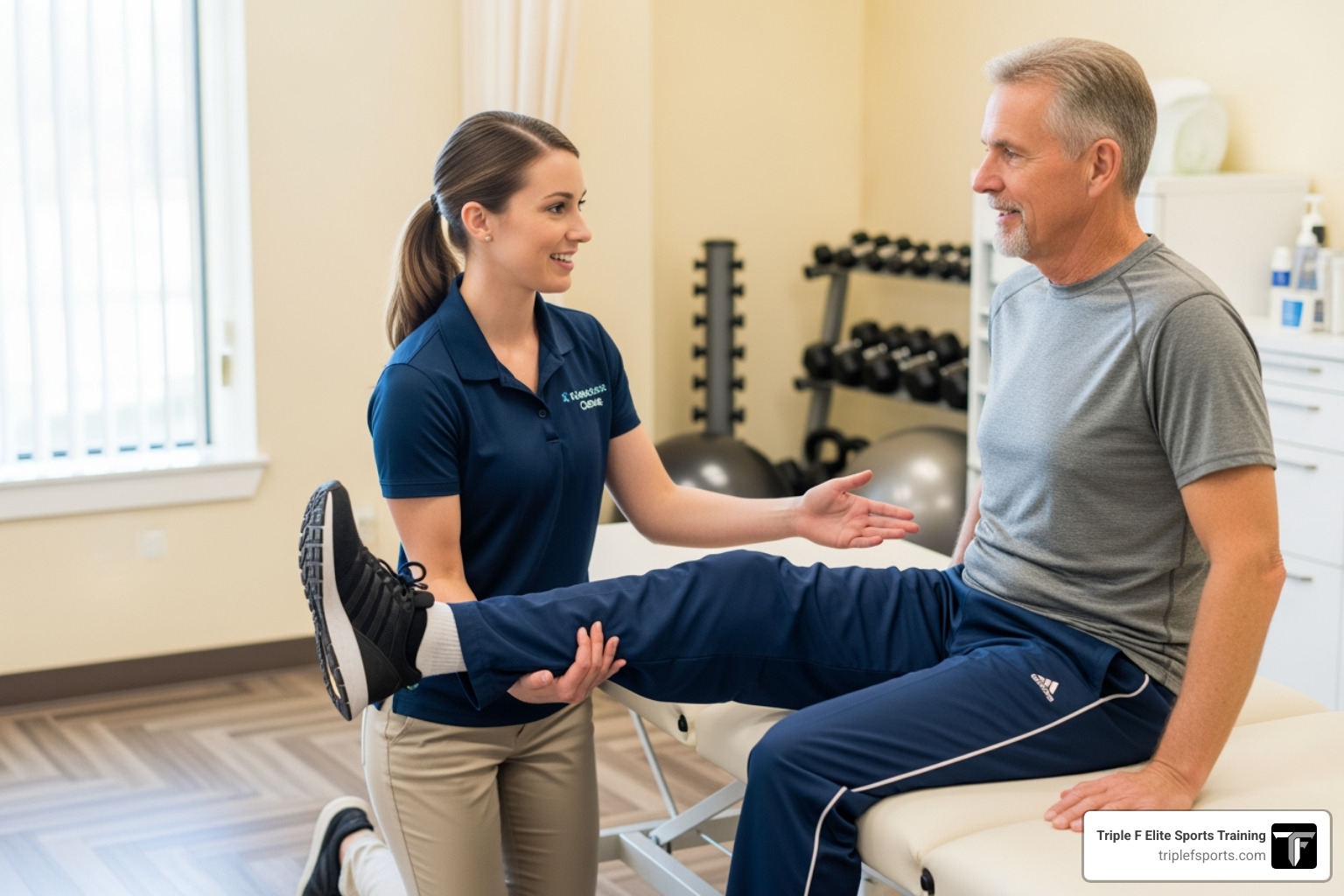
Understanding Therapeutic Exercise: The Foundation of Recovery
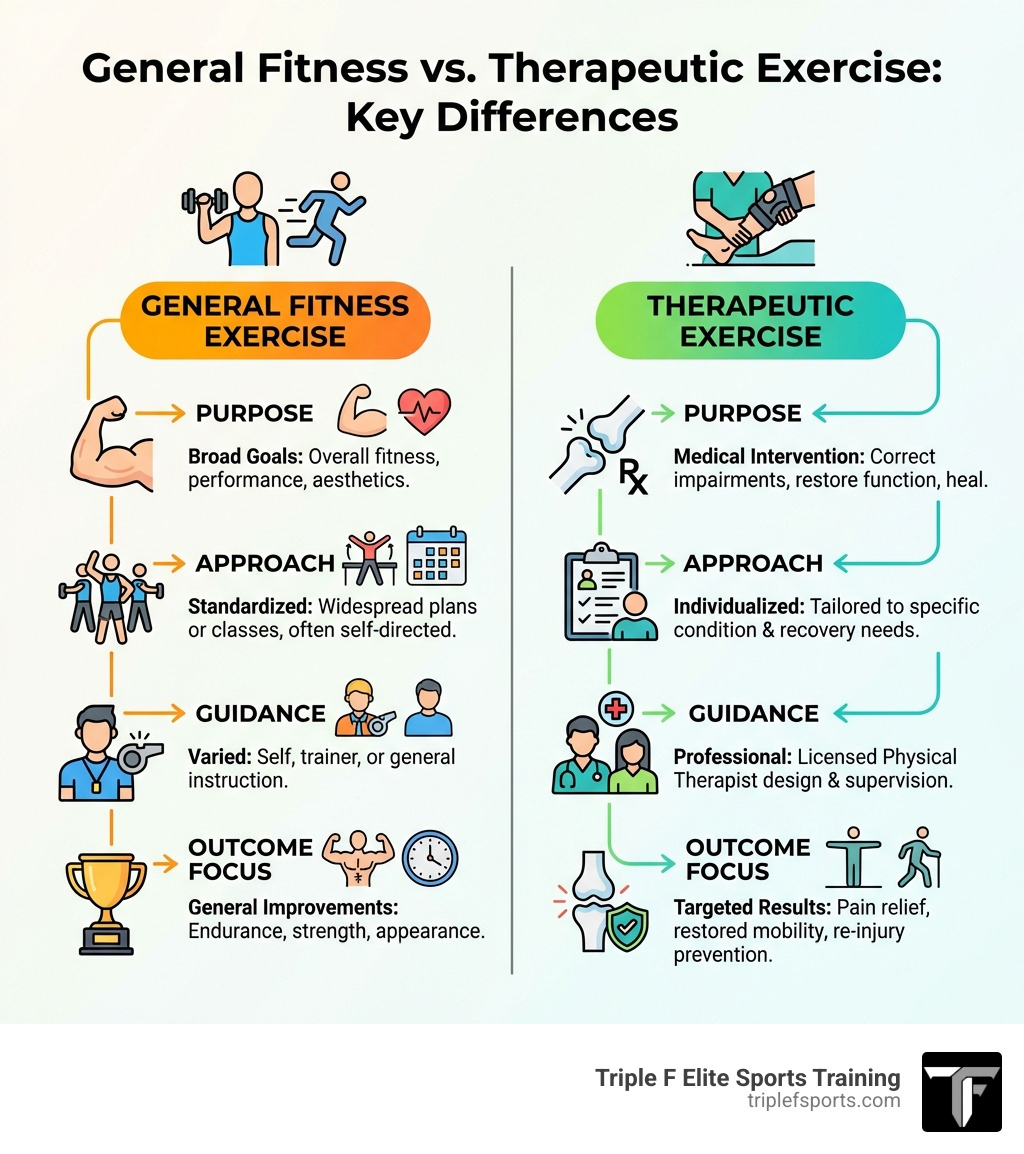
Therapeutic exercise physical therapy is a specialized approach that goes far beyond general fitness. Here’s what makes it distinct:
- Purposeful Movement: Exercises are specifically prescribed to correct impairments and restore function
- Individualized Programs: Custom to your unique condition, injury, or rehabilitation needs
- Professional Guidance: Designed and supervised by licensed physical therapists
- Targeted Outcomes: Focused on pain relief, restoring mobility, and preventing re-injury
- Evidence-Based: Supported by research showing effectiveness for conditions from back pain to sports injuries
If you’re recovering from an injury, managing chronic pain, or regaining function after surgery, you’ve likely heard of “therapeutic exercise.” But what is it, and how does it differ from a gym workout?
Therapeutic exercise is movement prescribed to correct impairments, restore muscular and skeletal function, and maintain well-being. Unlike general fitness, it’s a medical intervention designed to address specific physical problems. It’s like a doctor’s prescription for movement, targeted to heal and restore function.
Research confirms that therapeutic exercise improves range of motion, flexibility, muscle activation, coordination, stability, strength, and endurance. For conditions like osteoarthritis, it’s proven to reduce pain and improve muscular strength, balance, and range of motion. When performed correctly, negative side effects are extremely rare.
I’m Lee Smith, an 11-year NFL veteran. I relied on therapeutic exercise physical therapy to recover from injuries and perform at the highest level. Now, I bring that same professional-level care to athletes at Triple F Elite Sports Training in Knoxville. My experience taught me that quality rehabilitation is often the key to staying on the field.
The Core Principles: Goals, Types, and Benefits
At its heart, therapeutic exercise physical therapy aims to help you move, feel, and live better by equipping you with the tools to reclaim your body’s full potential.
The Primary Goals of Therapeutic Exercise
Our primary goal is to restore function, helping you exceed your previous capabilities. We aim to:
- Restore Muscular and Skeletal Function: We work to bring your body back into optimal working order, helping to restore muscular and skeletal function and correct impairments.
- Reduce Pain: Through targeted exercises, we can alleviate discomfort and break the cycle of pain and inactivity.
- Correct Impairments: We identify and address the root causes of your physical limitations, from muscle imbalances to poor posture.
- Improve Mobility and Flexibility: Regaining a full range of motion is crucial for daily activities and athletic performance.
- Prevent Re-injury: By strengthening weak areas and improving movement patterns, we build resilience in your body.
- Improve Overall Performance: For athletes, this means recovering and coming back stronger, faster, and more agile than before.
The Main Types of Therapeutic Exercises
Therapeutic exercise isn’t a one-size-fits-all solution. We use a variety of types of rehabilitative exercise, carefully selected and progressed based on your individual needs.

- Strengthening Exercises: These rebuild muscle mass and power lost to injury, surgery, or disuse. Our programs range from light resistance to high-intensity training using various equipment to improve muscular strength, power, and hypertrophy.
- Endurance Training: This improves your body’s ability to sustain activity without excessive fatigue. It includes activities like swimming, walking, or low-impact aerobics. Guidelines for adults recommend 150-300 minutes of moderate or 75-150 minutes of vigorous aerobic activity weekly.
- Flexibility and Mobility Exercises: These exercises increase joint range of motion and muscle elasticity. They are often performed when muscles are warm to gently lengthen tissues and improve movement.
- Balance and Coordination Exercises: Also known as neuromuscular re-education, these exercises improve stability and control by enhancing communication between your nervous system and muscles. They are vital for older adults to reduce falls and for athletes to improve agility.
- Neuromuscular Re-education: This specialized exercise retrains your brain and muscles to work together efficiently. Research shows it helps restore motor control patterns, especially for issues like low back pain, improving joint stability and movement quality.
The Transformative Benefits of a Targeted Program
The benefits of a therapeutic exercise plan extend far beyond fixing an injury, fostering holistic well-being.
- Pain and Inflammation Reduction: Therapeutic exercise has anti-inflammatory effects and can nourish joints, directly contributing to pain relief.
- Increased Range of Motion and Mobility: We help you regain the freedom of movement for daily tasks and peak athletic performance.
- Improved Muscle and Joint Function: Strengthening supporting muscles and improving joint mechanics improves the overall health of your musculoskeletal system.
- Promotion of Overall Healing: Targeted movements can improve blood flow to injured areas, accelerating the healing process.
- Reduced Chance of Re-injury: A stronger, more stable body with improved movement patterns is less susceptible to future injuries.
- Improved Overall Fitness: Therapeutic exercise naturally contributes to better cardiovascular health and muscular endurance.
- Reduced Risk of Falls: For older adults, therapeutic exercise is effective for improving balance and reducing falls.
- Better Sleep and Well-being: The physical and mental benefits of exercise often lead to improved sleep quality and a general sense of well-being.
- Improved Posture: Correcting muscle imbalances and strengthening core muscles can significantly improve posture and alleviate related aches and pains.
These benefits empower you to return to your sport, work, and daily life with confidence. Learn more about how we integrate these principles by exploring More info about our Sports Medicine services.
Your Journey with Therapeutic Exercise Physical Therapy
Starting a therapeutic exercise physical therapy journey with us is a partnership with experts dedicated to your recovery and performance.
What to Expect During Your Physical Therapy Appointment
Your first appointment is a crucial step in understanding your unique needs and creating a personalized plan.
- Initial Evaluation: Your physical therapist conducts a comprehensive evaluation, including your medical history, pain points, and functional baseline. This may involve hands-on testing to pinpoint the impairment and assess its impact on your life.
- Personalized Plan Review: Based on the evaluation, your therapist will explain your custom treatment plan, outlining the specific exercises and recovery goals. We ensure you understand the “why” behind each exercise.
- Hands-on Guidance and Learning Proper Form: Your therapist will guide you through each exercise, demonstrating and correcting your form to ensure safety and effectiveness. Proper form is paramount to maximize benefits and prevent injury.
- Home Exercise Program (HEP): You’ll receive a custom home exercise program (HEP) with clear instructions. These exercises are an extension of your in-clinic therapy and are vital for consistent progress.

Throughout your appointments, we constantly assess your progress, adjust your exercises, and empower you to become an active participant in your recovery.
How Programs are Individualized for Your Specific Needs
Individualization is the cornerstone of effective therapeutic exercise physical therapy. Our programs are crafted to address your specific condition, goals, and physical capabilities.
- Custom Treatment Plans: Every patient receives a custom plan considering their medical history, injury, personal goals, and overall health.
- Applying the FITT Principle: We use the FITT principle (Frequency, Intensity, Time, Type) to precisely tailor the “dose” of your exercise:
- Frequency: How often you perform the exercises.
- Intensity: How hard you work (e.g., resistance level, speed).
- Time: The duration of each exercise session.
- Type: The specific kind of exercise chosen for your impairment.
- Progression and Regression: Your plan is dynamic. We progressively challenge you as you improve and regress exercises if you experience discomfort, ensuring you’re always working at an optimal level.
- Adapting to Patient Progress: We continuously monitor your response to therapy. Your feedback and our objective measurements guide adjustments to keep your program effective.
- Addressing Specific Deficits: Our exercises are designed to directly target and correct specific deficits in mobility, strength, or neuromuscular control.
This individualized approach, as outlined in guides like Therapeutic Exercise, is essential for optimal outcomes.
The Critical Role of Consistency and Adherence
Consistency is the bedrock of your success in therapeutic exercise physical therapy. These exercises require dedication to create physiological changes in your body.
- Importance of Home Exercises: Your Home Exercise Program (HEP) is as important as your in-clinic sessions. Skipping exercises can slow your recovery. Research shows that program adherence is crucial for better outcomes, as noted in studies on Interventions to increase adherence to therapeutic exercise.
- Building Strength Over Time: Strengthening muscles and improving balance is a gradual process that requires consistent stress to stimulate adaptation.
- Neural Adaptations vs. Physiological Changes: Initial strength gains come from “neural adaptations,” as your brain becomes more efficient at recruiting muscle fibers. However, significant “physiological changes,” like increased muscle size (hypertrophy), typically take 4-6 weeks of consistent effort.
- Active Patient Participation: Your journey is a partnership. Your active participation, including performing home exercises and communicating with us, is key.
- Self-management of Symptoms: Consistency empowers you to understand and self-manage your symptoms long after your formal therapy sessions conclude.
Applications, Outcomes, and Safety
Therapeutic exercise physical therapy is a versatile and powerful intervention applicable to a vast array of conditions, helping individuals in Knoxville regain their health and athletic prowess.
Common Conditions That Benefit from Therapeutic Exercise Physical Therapy
The scope of therapeutic exercise is broad, addressing both acute injuries and chronic conditions. We regularly see patients who benefit immensely from our custom programs.
- Back Pain: An estimated 80% of adults will experience low back pain at some point in their lives. Therapeutic exercise, including specific trunk muscle activation, strengthening, and endurance, is a cornerstone of treatment for both acute and chronic low back pain. It helps to restore motor control systems, which can be altered in individuals with significant back pain.
- Arthritis: Approximately 54.4 million U.S. adults suffer from some form of arthritis. For conditions like osteoarthritis, therapeutic exercise has great potential to reduce pain and improve muscular strength, balance, and range of motion. A systematic review published in the British Journal of Sports Medicine in 2020 found that exercise for osteoarthritis of the knee was effective for reducing pain and improving physical function.
- Sports Injuries: With 8.6 million incidents reported annually in the U.S., sports injuries are common. Therapeutic exercise is key to successful rehabilitation, restoring strength, flexibility, balance, and neuromuscular coordination for athletes in Knoxville, ensuring they can return to their sport safely and perform at their best.
- Post-Surgical Rehabilitation: After surgery, therapeutic exercise is crucial for regaining strength, range of motion, and function. It helps prevent muscle atrophy and scar tissue formation, facilitating a smooth recovery.
- Stroke Recovery: Stroke impacts almost 800,000 individuals annually in the U.S. and often leads to significant mobility impairment. Therapeutic exercise, including aerobic activity and balance training, is beneficial for enhancing aerobic fitness, walking speed, and walking endurance in stroke survivors.
- Osteoporosis: Resistance training is an effective method to improve bone mineral density and reduce the risk of fractures, especially important for managing osteoporosis.
- Chronic Pain Management: Beyond specific injuries, therapeutic exercise can help manage chronic pain conditions by improving overall physical function, reducing inflammation, and enhancing the body’s natural pain-relieving mechanisms.
Potential Risks and Contraindications
While therapeutic exercise physical therapy is overwhelmingly safe and beneficial, understand that, like any medical intervention, there are considerations and rare risks. Our professional supervision is key to minimizing these.
- Importance of Professional Supervision: The primary reason to work with a licensed physical therapist is to ensure your exercises are appropriate for your condition and performed correctly. Poor technique is the main contributor to complications.
- Poor Technique Risks: Incorrect form can lead to acute injury or a decline in function. This is why we provide hands-on guidance and meticulous instruction during your sessions.
- Acute Illness or Injury: Generally, exercise is indicated for all non-acutely ill adults and children up to their level of ability. However, if you have an acute illness or injury (e.g., a fresh fracture, severe infection), it’s crucial to allow for initial healing before starting an exercise regimen.
- Unmanaged Chronic Diseases: If you have a chronic disease, such as diabetes or heart disease, it’s important that your condition is well-managed before starting on a rigorous exercise program. Exacerbations of chronic disease can be detrimental to exercise capacity.
- Specific Cardiac Conditions: Certain cardiac conditions, such as valvular heart disease, ventricular hypertrophy, dangerous arrhythmias, and malignant hypertension, may be contraindications or require significant modification and medical clearance before engaging in therapeutic exercise.
When performed correctly and under professional guidance, it is extremely rare to experience any ill side-effects from therapeutic exercise. We always encourage open communication: if you feel sharp pain, dizziness, or unusual discomfort, stop the exercise and consult your physical therapist immediately. Your safety and well-being are our top priorities.
Beyond Recovery: Enhancing Overall Well-being
The ripple effects of therapeutic exercise physical therapy extend far beyond the specific injury or condition being treated. It’s a powerful catalyst for comprehensive, long-term health and well-being.
- Long-term Health Improvements: Engaging in regular therapeutic exercise lays the foundation for a healthier future. It builds resilience, improves physical capacity, and fosters a proactive approach to your health.
- Cardiovascular Benefits: Exercise is a cornerstone of cardiovascular health. Regular physical activity, including aerobic components of therapeutic exercise, decreases arterial stiffness, reduces blood pressure, improves cholesterol levels (increases HDL, decreases LDL), and lowers resting heart rate. These are crucial benefits for reducing the risk of heart disease. Learn more about the Effects of Exercise to Improve Cardiovascular Health.
- Improved Glucose Metabolism and Decreased Insulin Resistance: For individuals with or at risk of type 2 diabetes, exercise has profound positive effects on glucose metabolism and decreasing insulin resistance. This makes therapeutic exercise an essential tool in both preventing and managing this chronic condition.
- Improved Quality of Life: By reducing pain, increasing mobility, and enhancing physical function, therapeutic exercise directly translates into a higher quality of life. You can participate more fully in activities you love, whether it’s playing with your kids, hiking, or competing in your sport.
- Reduced Risk of Chronic Disease: Resistance training, a key component of therapeutic exercise, has been acknowledged as an effective method to improve muscular strength, power, and hypertrophy. For adults of all ages, the goals of a health-related resistance training program should be to make activities of daily living (ADL) less stressful physiologically and to effectively manage, attenuate, and even prevent chronic diseases and health conditions such as osteoporosis, Type 2 diabetes mellitus, and obesity.
- Mental Health Benefits: Beyond the physical, exercise is known to reduce anxiety and depression, improve cognitive function, and improve overall mood and self-esteem.
By investing in therapeutic exercise, you’re not just recovering from an ailment; you’re investing in a stronger, healthier, and more vibrant future.
Frequently Asked Questions about Therapeutic Exercise
We understand you might have questions about starting your therapeutic exercise physical therapy journey. Here are answers to some common inquiries we receive at Triple F Elite Sports Training.
Is therapeutic exercise supposed to be painful?
This is one of the most common questions we hear, and it’s a very important one. The short answer is: no, therapeutic exercise should not cause sharp, increasing, or lasting pain.
- Distinguishing Between Muscle Soreness and Harmful Pain: It’s normal to experience some muscle soreness (often described as a dull ache or stiffness) 24-48 hours after starting new exercises or increasing intensity. This “good pain” indicates your muscles are adapting and getting stronger. However, sharp, stabbing, or increasing pain during or after an exercise is a red flag.
- The “Traffic Light” System for Pain: We often use a “traffic light” system to help you gauge your pain response:
- Green Light (0-3/10 pain): This is acceptable. You might feel some mild discomfort or muscle fatigue, but it’s manageable and doesn’t worsen.
- Yellow Light (4-5/10 pain): Proceed with caution. This level of pain means you should slow down, reduce the range of motion, or decrease the resistance. If the pain doesn’t subside, you should stop.
- Red Light (6+/10 pain): Stop immediately. This level of pain indicates you are likely causing harm or aggravating your condition.
- Communicating with Your Physical Therapist: Always communicate any pain or discomfort you feel during exercises. Your physical therapist can modify the exercise, adjust the intensity, or suggest alternatives to ensure your safety and progress. We’re here to challenge your body to stimulate recovery, not to cause further harm.
How long does it take to see results from therapeutic exercise?
The timeline for seeing results from therapeutic exercise physical therapy can vary depending on your specific condition, severity of injury, consistency with your program, and individual healing capacity. However, we can generally categorize results into two phases:
- Immediate vs. Long-term Changes:
- Immediate (Neural Adaptations): You might notice improvements in strength, control, or ease of movement relatively quickly, sometimes within days or a couple of weeks. These early gains are often due to “neural adaptations,” meaning your brain and nervous system are becoming more efficient at activating and coordinating your muscles. You’re learning to use your existing muscles better.
- Long-term (Physiological Changes): For significant physiological changes, such as increased muscle size (hypertrophy), improved tissue healing, or substantial increases in endurance and stability, it typically takes a bit longer. Research indicates that it takes about 4-6 weeks of consistent effort to achieve noticeable physiological changes in muscle tissue. For complex issues like re-educating movement patterns in chronic low back pain, stability training may require up to 3 months of daily or twice-daily practice.
- Factors Influencing Progress: Consistency and adherence to your home exercise program are paramount. The more diligently you follow your plan, the faster you are likely to see results. The severity and chronicity of your condition also play a role; acute injuries may show faster progress than long-standing chronic issues. Your physical therapist will help set realistic expectations for your specific journey.
Can I just do the exercises I find online instead of going to physical therapy?
While the internet offers a wealth of information, relying solely on online exercises for rehabilitation can be risky and may not yield the best results.
- Risks of Self-Diagnosis: Online resources cannot accurately diagnose your specific condition. What appears to be a simple issue might have underlying complexities that require professional assessment.
- Importance of a Proper Assessment: A licensed physical therapist at Triple F Elite Sports Training performs a comprehensive evaluation. We consider your medical history, pain points, functional limitations, and overall physical health. This allows us to accurately identify the root cause of your problem and design a program that is safe and effective for you.
- Value of Personalized Plans: Online exercises are generic. Your body is unique. We tailor your therapeutic exercise physical therapy program to your exact needs, adapting it as you progress or if you experience setbacks. This level of personalization cannot be replicated by a pre-recorded video or a generic article.
- Ensuring Correct Form to Prevent Injury: Performing exercises with incorrect form is not only ineffective but can also lead to new injuries or worsen existing ones. Our physical therapists provide hands-on guidance, verbal cues, and visual feedback to ensure you’re executing each movement safely and optimally. We teach you how to properly engage the right muscles and protect vulnerable areas.
While online resources can be great for general fitness ideas, for true rehabilitation, pain relief, and performance improvement, the individualized care and expert supervision of a physical therapist are invaluable.
Take Control of Your Recovery and Performance
Therapeutic exercise physical therapy is more than just a set of movements; it’s a powerful, evidence-based tool for healing, strengthening, and optimizing your body’s capabilities. It offers a personalized path to recovery, helping you overcome injuries, manage chronic conditions, and achieve your peak physical potential. From reducing pain and improving mobility to enhancing overall well-being and preventing future injuries, the benefits are profound and long-lasting.
At Triple F Elite Sports Training in Knoxville, we integrate expert guidance into our programs, combining professional knowledge with a deep understanding of athletic development. Our dedicated physical therapists are here to provide the individualized care, hands-on instruction, and consistent support you need to succeed.
Don’t let pain or physical limitations hold you back. Take the first step toward a pain-free, stronger you.