
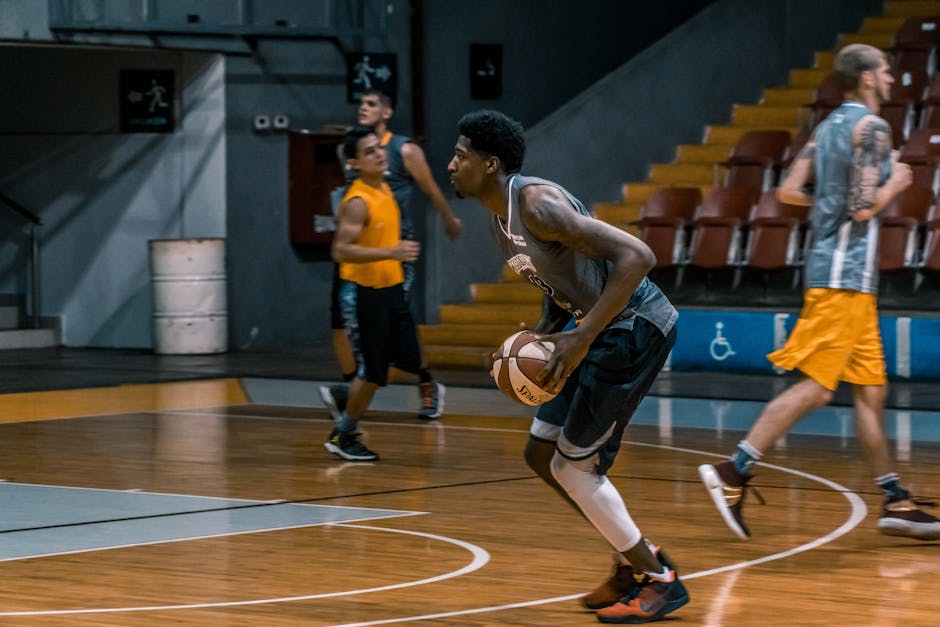
Why Young Athlete Development Matters More Than Ever
Young athlete development is the process of nurturing a child’s physical, mental, and emotional growth through sport, focusing on long-term success rather than short-term wins.
Key takeaways:
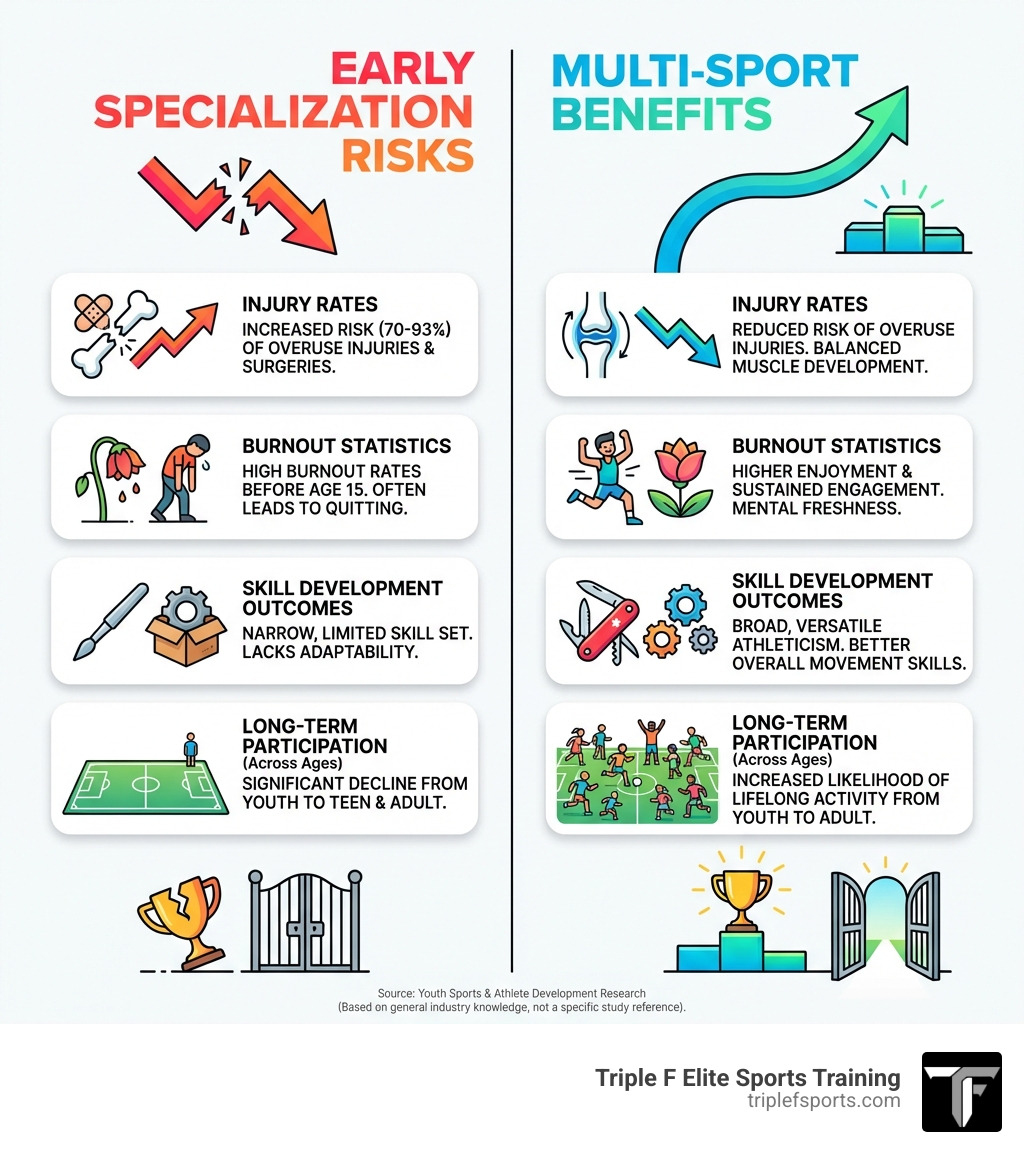
- Early specialization increases injury risk by up to 93% and often leads to burnout
- Multi-sport participation builds well-rounded athleticism and reduces overuse injuries
- Proper training should prioritize fundamental movement skills, strength, and fun
- Biological age matters more than chronological age when designing training programs
- Mental and emotional development is just as critical as physical training
Today’s youth sports landscape can be overwhelming with year-round schedules and pressure to specialize. Research shows that approximately 80% of kids who specialize in a single sport before age 12 quit by age 15. Conversely, most professional athletes played multiple sports growing up.
This guide will show you how to develop young athletes the right way, focusing on foundational skills, age-appropriate training, and fostering a lifelong love for the game. I’m Lee Smith, an 11-year NFL veteran, bringing my experience with science-based athletic development to young athletes in Knoxville at Triple F Elite Sports Training.
The Pitfalls of “Too Much, Too Soon”: Why Early Specialization Fails
In today’s competitive youth sports landscape, many believe year-round training and early specialization are keys to success. However, research indicates that early specialization can increase the risk of overuse injuries, burnout, and decreased long-term participation in sports.
How does focusing on one sport too early impact athletes?
- Overuse Injuries: Repetitive movements strain growing bodies. This can lead to chronic pain and conditions like Sever’s and Osgood-Schlatter’s disease during growth spurts.
- Burnout: Constant pressure and lack of variety can extinguish passion, leading to anxiety and dropping out.
- Stunted Athletic Development: Early specialization limits motor skill development that comes from various sports, creating less adaptable athletes.
- Psychological Pressure: Intense focus on winning can create anxiety and negative self-image.
- Social Isolation: Limited interaction with diverse groups restricts social development.
For more insights on safeguarding against these risks, explore our approach to injury prevention.
The Multi-Sport Advantage
We advocate for multi-sport participation during crucial developmental years:
- Well-Rounded Athleticism: Different sports develop varied physical abilities. Basketball improves agility, swimming builds endurance. Experts advise that ages 7-11 are the time to nurture general athleticism through multiple sports and free play.
- Transferable Skills: Skills like throwing and jumping transfer across sports, strengthening overall athletic capacity.
- Reduced Injury Risk: Diversifying physical demands significantly lowers overuse injury risk.
- Increased Creativity: Different sports improve strategic thinking and decision-making.
- Longer Sports Careers: Varied experiences reduce burnout and maintain lifelong love for activity. Most professional athletes played multiple sports growing up.
Multi-sport participation offers a healthier path to reaching full athletic potential. For comprehensive athletic growth, check out our Youth Training programs.
The Foundation of Effective Young Athlete Development
At Triple F Elite Sports Training, effective young athlete development is built on physical literacy, mastering foundational movements, and ensuring sessions are challenging and fun.
Physical literacy is the motivation, confidence, and competence to be physically active for life. It’s learning the alphabet before writing stories. Foundational skills include locomotor (running, jumping), object control (throwing, catching), and stability (balancing). Mastering these develops muscle memory that prevents injuries.
Our programs emphasize progressive overload—gradually increasing demands through smart progression like adding resistance bands once basic form is perfected. Training is individualized to each athlete’s developmental stage. Above all, we prioritize fun through games and competition. To understand our custom approach, explore our Youth Assessments.
Why Strength is the Master Quality
Strength is the foundation for all athletic traits:
- Force Production: Running faster, jumping higher requires generating significant force
- Stability and Control: Strong muscles provide stability for precise skill execution
- Injury Resilience: Functional strength builds robust tissues, reducing injury susceptibility
- Speed and Power: Cannot be truly fast without underlying strength support
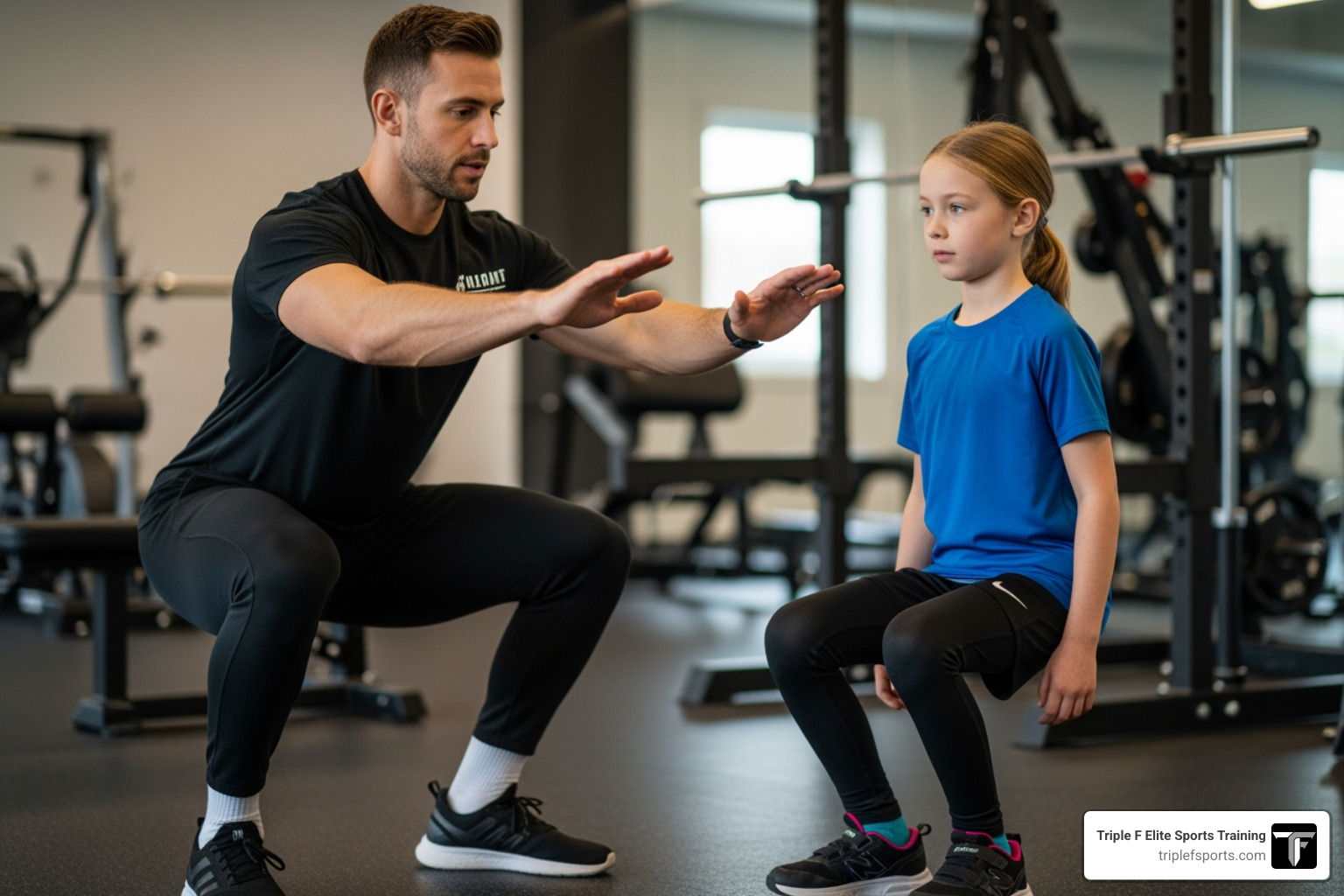
We introduce strength safely through proper form and bodyweight exercises before adding resistance. Learn more about our Future Pros Program.
Keeping it Fun, Simple, and Challenging
Effective youth training stays simple. We integrate competition through reactive mirrors, tag games, and races that make athletes work hard while having fun.
Key principles:
- Focus on Fundamentals: Master squats, lunges, push-ups
- Progressive Challenge: Gradually increase difficulty with bands or complexity
- Avoid Complex Drills: Build strong, durable bodies, not flashy routines
Find how we integrate these principles at our Sport Skill training.
The Critical Role of Injury Prevention
Research shows exercise-based prevention programs can reduce injury rates in young athletes by 46%. Our approach integrates:
- Neuromuscular Training: Improving coordination and balance
- Plyometrics: Building power through explosive movements
- Flexibility and Mobility: Maintaining full range of motion
- Proper Warm-ups and Cool-downs: Essential for preparation and recovery
- Rest and Recovery: Emphasizing adequate sleep and off-seasons
For detailed information on our medical expertise, visit our Sports Medicine services.
The Roadmap: Navigating Growth, Maturation, and Training
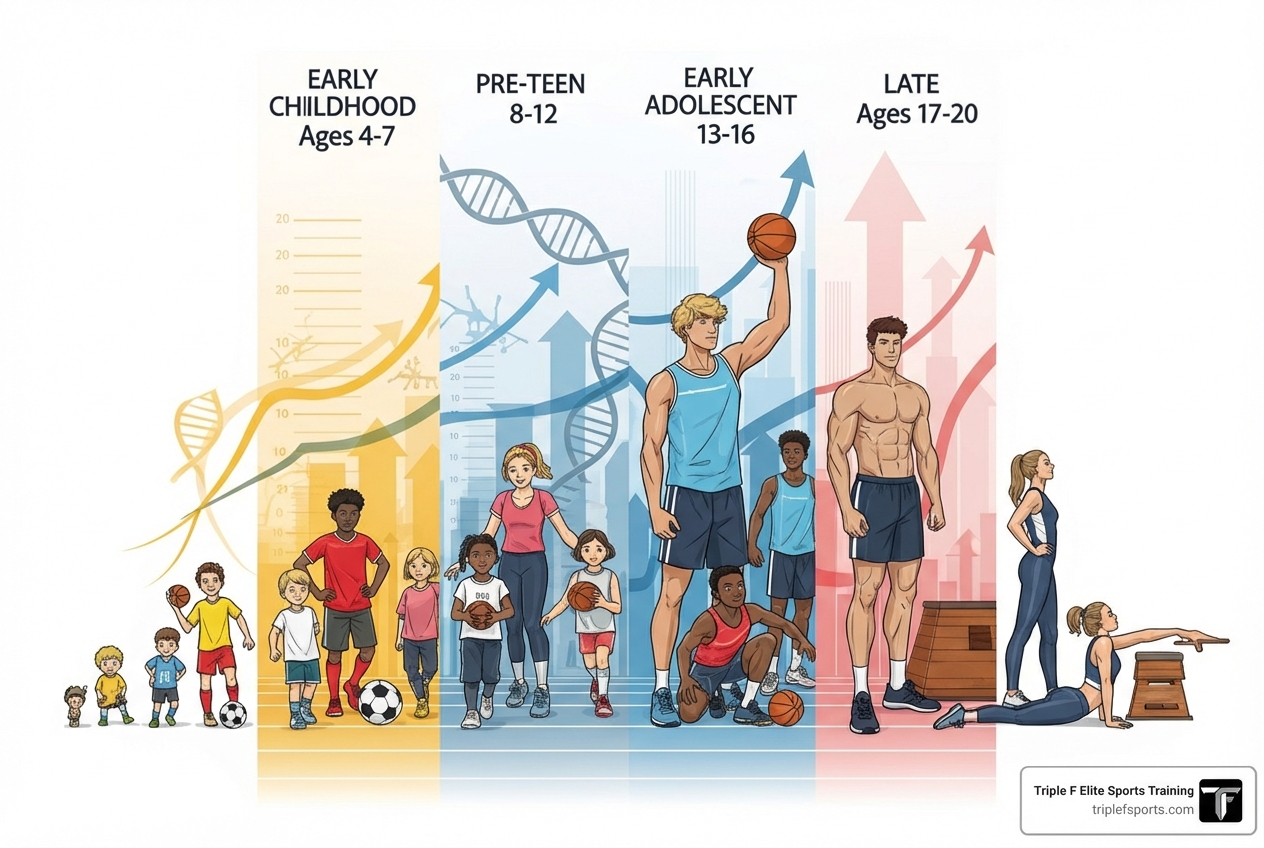
Understanding that children aren’t “mini-adults” is crucial for young athlete development. Their bodies and minds constantly change, requiring training adapted to biological, not chronological age.
Chronological age groups can have huge variation—some 12-year-olds might differ by 23cm in height and 18kg in weight. Peak Height Velocity (PHV), the adolescent growth spurt, typically occurs around age 12 for girls and 14 for boys but varies greatly. Training before PHV focuses on coordination and skill; post-PHV allows more intense strength training as hormones increase.
Beyond physical growth, the prefrontal cortex doesn’t fully develop until adolescence, requiring patience and skill-focused training. Youth athletes are full-time students balancing academics, social lives, and sports. We must support their holistic development. For nutrition support during these phases, visit our Nutrition programs.
Understanding Development Phases
Two frameworks guide our approach:
| Phase | LTAD Model | YPD Model |
|---|---|---|
| Sampling (6-13) | Multiple sports, fun practices, basic movement skills | Broad motor skills, coordination, simple structured training |
| Specializing (13-15) | Gradual shift to 1-2 sports, training habits | Structured strength/power work, managing growth spurt |
| Investment (15+) | One primary sport, performance-focused | High-intensity training custom to maturity and sport demands |
| Active for Life | Recreational participation options | Lifelong health through movement skills |
Both models emphasize patient, stage-appropriate development over rushing into elite training.
The Mental and Emotional Game
Research indicates teens who played school sports reported less depression and better mental health. A positive environment builds confidence, resilience, and teamwork. Teaching stress management and maintaining perspective on wins/losses is crucial. Unstructured free play fosters creativity and genuine love for movement.
Why Young Athlete Development Matters More Than Ever
Young athlete development is the process of nurturing a child’s physical, mental, and emotional growth through sport, focusing on long-term success rather than short-term wins.
- Early specialization increases injury risk by 70-93% and often leads to burnout.
- Multi-sport participation builds well-rounded athleticism and reduces overuse injuries.
- Proper training should prioritize fundamental movement skills, strength, and fun.
- Biological age matters more than chronological age when designing training programs.
- Mental and emotional development is just as important as physical training.
Youth sports have changed dramatically. Travel teams, year-round schedules, and pressure to specialize early have become the norm in places like Knoxville and across the country. Many parents wonder: Am I doing enough? Should my 10-year-old focus on just one sport? How do I keep them healthy while helping them compete?
The truth is simpler than the sports culture makes it seem.
The best youth development programs focus on building a foundation, not mimicking elite athletes. Research shows that approximately 80% of kids who specialize in a single sport before age 12 quit by age 15. Meanwhile, most college and professional athletes played multiple sports through middle school.
The science is clear: young athletes need varied movement experiences, proper strength development, adequate rest, and, perhaps most importantly, fun.
This guide will show you how to develop young athletes the right way. You will see why early specialization often backfires, what foundational skills truly matter, how to steer different developmental stages, and how parents and coaches can work together to support long-term success.
I’m Lee Smith, an 11-year NFL veteran who played 149 games as a blocking tight end. My professional career taught me the critical importance of proper young athlete development: building strong foundations early, training smart, and avoiding the injuries that derail promising athletes. Now I am bringing that same long-term, science-based approach to young athletes here in Knoxville at Triple F Elite Sports Training.
The Pitfalls of “Too Much, Too Soon”: Why Early Specialization Fails Young Athletes
In today’s hyper-competitive youth sports culture, it is easy to fall for the myth that early specialization is the key to success. However, research and our experience show this approach is often counterproductive, leading to significant physical and psychological harm.
Research indicates that early specialization can increase the risk of overuse injuries, burnout, and decreased long-term participation in sports. We have seen this in Knoxville, where young athletes in intense, single-sport programs often face these challenges.
How does focusing on one sport too early impact an athlete?
- Overuse Injuries: Repetitive movements strain developing muscles, tendons, and joints. This can lead to chronic pain and conditions like Sever’s and Osgood-Schlatter’s disease, especially during growth spurts.
- Burnout: The constant pressure and lack of variety can extinguish a young athlete’s passion, leading to mental fatigue, anxiety, and quitting the sport altogether.
- Stunted Athletic Development: Specializing too soon limits the development of a broad range of motor skills, coordination, and balance that come from playing various sports. This can create a less adaptable and more injury-prone athlete.
- Psychological Pressure: An intense focus on winning and performance can create anxiety, fear of failure, and a negative self-image.
For more insight into how we help protect growing bodies, explore our approach to injury prevention.
The Multi-Sport Advantage
We advocate for multi-sport participation, especially during the crucial developmental years. This approach offers a wealth of benefits:
- Well-Rounded Athleticism: Playing different sports develops a wider array of physical abilities, like agility, coordination, and endurance. Experts advise that ages 7-11 are the time to nurture general athleticism through multiple sports and free play.
- Transferable Skills: Skills like throwing, catching, and jumping are foundational to many sports. Developing them in varied contexts builds a more capable athlete.
- Reduced Injury Risk: Diversifying physical demands reduces repetitive stress on specific body parts, significantly lowering the risk of overuse injuries.
- Increased Creativity and Decision-Making: Exposure to different game situations improves a child’s ability to think strategically and make quick decisions.
- Longer Sports Careers: Athletes who enjoy varied experiences are less likely to burn out and more likely to maintain a lifelong love for physical activity. Most professional athletes played multiple sports growing up.
Multi-sport participation offers a healthier, more sustainable path to reaching full athletic potential. It is about developing the athlete, not just the sport. For a deeper dive into how we foster comprehensive athletic growth, check out our Youth Training programs.
The Foundation of Effective Young Athlete Development
At Triple F Elite Sports Training, we believe effective young athlete development is built on a strong foundation, not on replicating elite-level drills. Our approach focuses on physical literacy, mastering foundational movements, and ensuring that every session is both challenging and fun.
Physical literacy is the motivation, confidence, and competence to be physically active for life. It is about learning the ABCs of movement, such as running, jumping, throwing, and balancing, before trying to perform advanced skills. Mastering these fundamentals builds muscle memory that protects against injury and improves performance.
Our programs emphasize progressive overload, which means gradually increasing the demands on the body. This is not about lifting heavy weights too soon, but about smart progression, like adding resistance bands or increasing movement complexity once the basic form is perfected. Training is always individualized to each athlete’s developmental stage.
Above all, we prioritize fun. We incorporate games and healthy competition to make hard work feel like play, keeping young athletes engaged and motivated. To see how we tailor our programs, explore our Youth Assessments.
Why Strength is the Master Quality
Strength is the foundation upon which all other athletic qualities are built. Without it, an athlete cannot be stable, produce force effectively, or move efficiently.
- Force Production: To run faster, jump higher, or throw harder, an athlete needs strength.
- Stability and Control: Strong muscles provide the stability needed to control movements and maintain balance.
- Injury Resilience: A stronger body is a more resilient body. Functional strength training builds robust muscles and connective tissues, making athletes less susceptible to injuries.
- Speed and Power: An athlete cannot be truly fast or explosive without the underlying strength to support those movements.
We introduce strength development safely and progressively, focusing on proper form and bodyweight exercises before adding external resistance. Our Future Pros Program is designed to cultivate this essential quality.
Keeping it Fun, Simple, and Challenging
Effective youth training does not need to be complicated. We focus on mastering fundamental movements consistently, not mimicking complex pro drills. We make training fun and engaging by integrating competition and gamification, using drills like reactive mirrors, tag games, and races to keep intensity and enjoyment high.
Our key principles for youth training are:
- Focus on Fundamentals: Master basic movements like squats, lunges, and push-ups.
- Progressive Challenge: Gradually increase the difficulty with resistance bands, weighted movements, or more complex patterns.
- Avoid Inappropriate Drills: We build a strong, durable body capable of expressing force, not one that performs flashy, high-risk routines.
This balanced approach ensures our young athletes develop a robust athletic base while fostering a lifelong love for sport. Learn how we apply these principles at our Sport Skill training.
The Critical Role of Injury Prevention
With the rise of intense, specialized youth sports, injury prevention is more critical than ever. Research shows that exercise-based prevention programs can reduce injury rates in young athletes by 46%.
Our approach to injury prevention integrates:
- Neuromuscular Training: Improving coordination, balance, and agility to help the nervous system better control muscles and joints.
- Plyometrics: Using explosive movements like jumping to build power and resilience.
- Flexibility and Mobility: Maintaining a full range of motion to prevent strains and sprains.
- Proper Warm-ups and Cool-downs: Essential for preparing the body and aiding recovery.
- Rest and Recovery: Overtraining, poor sleep, and no off-season are major causes of injury and burnout. We emphasize rest days, adequate sleep, and breaks between seasons.
By focusing on these elements, we build stronger, more durable athletes. For more on our approach, visit our Sports Medicine services.
The Roadmap: Navigating Growth, Maturation, and Training
Understanding that children are not “mini-adults” is crucial for effective young athlete development. Their bodies and minds are constantly changing, and training must adapt to their individual stage of growth and maturation (G&M), not just their chronological age.
A group of 12-year-olds can have a 23cm height and 18kg weight difference, with a maturity range of 11-12%. This is why we focus on biological age, marked by stages like Peak Height Velocity (PHV), the adolescent growth spurt. Training before and during PHV should focus on coordination and skill, while post-PHV training can incorporate more intensity as hormonal changes increase strength potential. This careful approach helps prevent growth-related injuries like Sever’s and Osgood-Schlatter’s disease.
We also consider brain development, as the prefrontal cortex (governing judgment and impulse control) is not fully mature until the mid-20s. This requires patience and a focus on skill acquisition over complex tactics. Furthermore, we recognize that youth athletes are students first, and we help them balance academics, sports, and social life to prevent burnout. Proper nutrition is also key, which you can learn more about in our Nutrition programs.
Understanding the Phases of Young Athlete Development
To effectively guide young athlete development, we draw from two key frameworks: the Long-Term Athlete Development (LTAD) model and the Youth Physical Development (YPD) model. These models provide a structured approach for age-appropriate training.
| Feature | Long-Term Athlete Development (LTAD) Model | Youth Physical Development (YPD) Model |
|---|---|---|
| Focus | Emphasizes age-based stages and sport-specific skill development, moving from general play in the early years to more focused training and competition in adolescence. | Focuses on developing fundamental motor skills and physical qualities (strength, speed, power, mobility) that support performance in all sports. |
| Early stages | Highlights fun, basic movement skills, and broad participation rather than early specialization. | Emphasizes movement quality, coordination, and a wide base of physical abilities during childhood. |
| Later stages | Gradually increases sport-specific training volume and intensity, leading toward high performance or lifelong recreational participation. | Progressively develops strength, power, and speed around growth and maturation milestones like PHV, while still protecting against overuse and burnout. |
The Mental and Emotional Game
Beyond physical training, nurturing a young athlete’s mental and emotional health is essential. Research indicates that teens who played school sports reported less depression and better mental health. A positive environment helps build confidence, resilience, and teamwork skills.
Coaches and parents should help athletes manage stress and expectations, keep perspective on wins and losses, and encourage open communication. Unstructured free play, time with friends, and non-sport hobbies are also important for fostering creativity and maintaining a genuine love for movement and sport.