
Why Professional Sports Physical Therapy Is a Game-Changer for Athletes
Professional sports physical therapy is a specialized branch of physical therapy focused on preventing injuries, accelerating recovery, and optimizing athletic performance for physically active individuals at every level.
Here’s what it covers at a glance:
- Injury prevention – identifying movement problems before they become injuries
- Acute injury management – immediate, sideline-to-clinic care after trauma
- Rehabilitation – structured recovery programs tailored to your sport and body
- Return-to-sport testing – objective criteria to confirm you’re truly ready to compete
- Performance enhancement – improving strength, mechanics, and movement efficiency
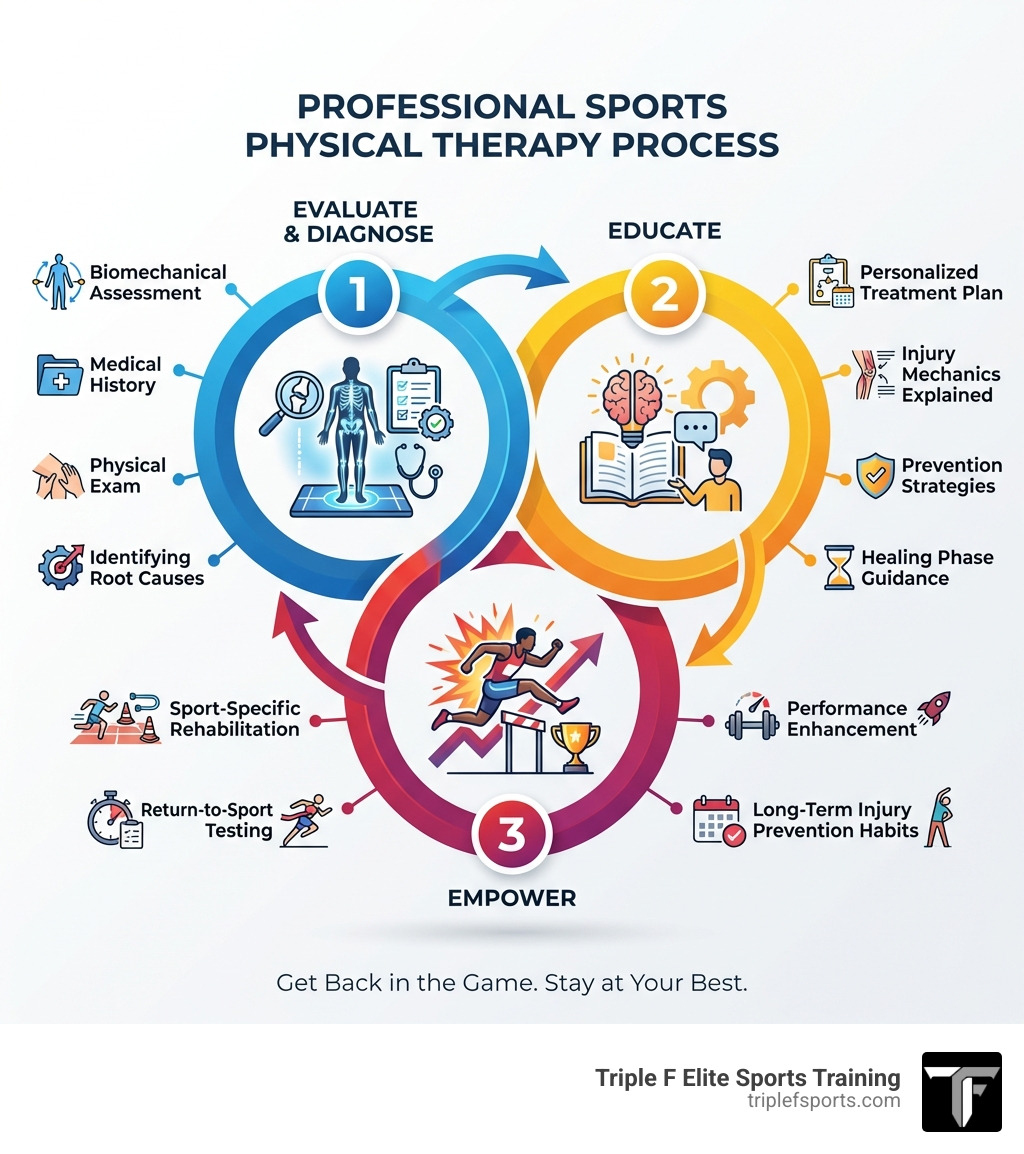
Whether you’re a competitive athlete or someone who loves staying active, this field goes far beyond standard physical therapy. It combines sport-specific biomechanics, advanced technology, and evidence-based treatment to get you back – and keep you – at your best.
And it’s not just for the pros. Any athlete, from youth players to weekend warriors, can benefit from this level of care.
I’m Kevin O’Shea, a Certified Strength and Conditioning Specialist with a background in athletic development, high school football coaching, and behavioral health – experience that shapes how I think about the full picture of an athlete’s recovery and growth. My work alongside elite practitioners has shown me how professional sports physical therapy forms the foundation of any serious athletic performance program. Let’s break down exactly what this specialty involves and how it can help you get back in the game.
Defining Professional Sports Physical Therapy
When we talk about professional sports physical therapy, we aren’t just talking about doing a few stretches after a pulled muscle. This is a holistic approach that utilizes a Sports Medicine model of care. Unlike general physical therapy, which often focuses on helping patients return to basic daily activities (like walking or sitting without pain), sports-specific therapy is designed to handle the high-intensity demands of the field, court, or track.
In Knoxville, we see a wide range of athletes, from youth soccer players to collegiate stars. The goal of Physical Therapy in this context is to bridge the gap between “not hurting anymore” and “performing at peak capacity.”
| Feature | General Physical Therapy | Professional Sports Physical Therapy |
|---|---|---|
| Primary Goal | Activities of Daily Living (ADLs) | High-Level Athletic Performance |
| Focus Area | Pain reduction and basic mobility | Sport-specific biomechanics and power |
| Intensity | Low to Moderate | High (Simulating game conditions) |
| Prevention | General health maintenance | Targeted injury risk reduction |
| Assessment | Standard musculoskeletal exams | Biomechanical analysis & force plates |
The Comprehensive Scope of Professional Sports Physical Therapy
The scope of this practice is vast. It begins with on-field emergency care—knowing exactly what to do the moment an injury occurs—and transitions into clinical rehabilitation. These specialists possess a deep musculoskeletal expertise that allows them to understand how a shoulder injury in a pitcher differs from a shoulder injury in a swimmer.
Professional sports physical therapists undergo specialized training to handle acute trauma, such as concussions or ligament tears, while simultaneously managing the long-term physiological and psychological aspects of recovery.
Who benefits from specialized sports care?
A common myth is that you need a professional contract to seek out professional sports physical therapy. In reality, this specialized care is vital for:
- Elite Athletes: Maximizing every ounce of performance and minimizing downtime.
- Weekend Warriors: Helping local runners or recreational league players stay active without chronic pain.
- Youth Sports: Ensuring young athletes develop proper mechanics to avoid lifelong issues.
- Active Aging Population: Keeping seniors mobile and strong so they can continue to enjoy golf, tennis, or hiking.
No matter your level, the goal is to help you Bounce Back Stronger: Premier Sports Injury PT in Knoxville.
Specialized Techniques and Advanced Modalities
To get athletes back to their sport faster, we use a combination of “hands-on” manual therapy and Beyond the Basics: What is Therapeutic Exercise in Physical Therapy?. These interventions are backed by the latest in Sport Science Category research to ensure every minute in the clinic counts.
Advanced technology in professional sports physical therapy
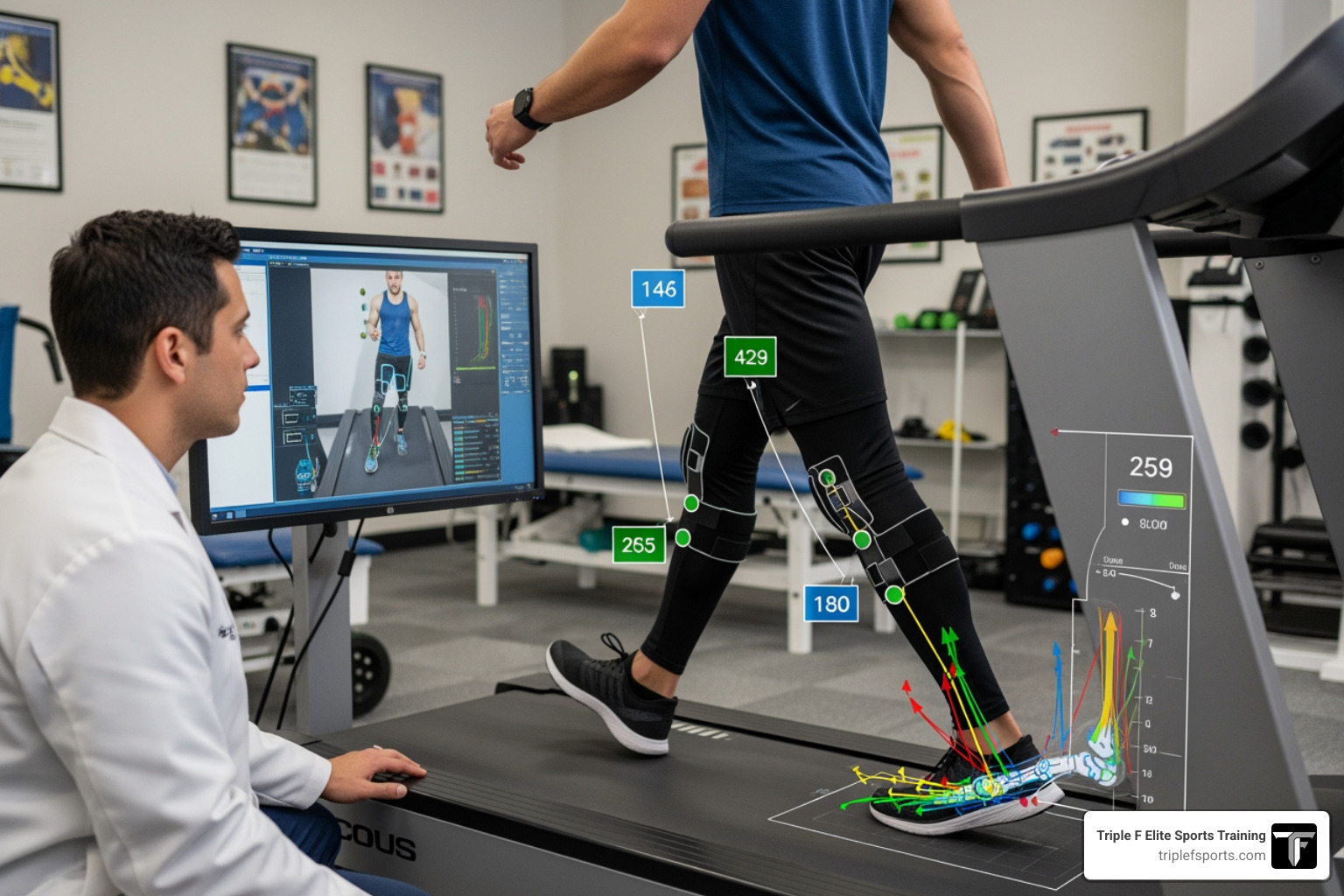
We don’t guess; we measure. Professional-grade facilities utilize high-end technology typically found in pro team weight rooms:
- Force Plates: To measure ground reaction forces and identify imbalances between the left and right legs.
- Shockwave Therapy: To stimulate healing in stubborn tendons.
- Laser Treatment: To reduce inflammation and accelerate tissue repair.
- Game Ready Systems: Using active compression and cold therapy to manage swelling after acute injuries or intense training.
The role of manual therapy and dry needling
Manual therapy involves soft tissue mobilization and joint manipulation to improve range of motion. One of the most effective tools in our arsenal is dry needling. This technique uses thin needles to target “trigger points” in the muscle, prompting a rapid neuromuscular re-education. It acts as a catalyst for rapid adaptation, helping to reset the muscle’s resting tone and provide immediate pain management.
Common Injuries and Evidence-Based Recovery
Athletes are prone to specific types of injuries that require a nuanced touch. For instance, statistics show that Medial Collateral Ligament (MCL) sprains account for 40% of knee injuries in sports. While an MCL sprain might heal with bracing and time, an ACL reconstruction requires a much more intensive, year-long protocol.
We also frequently treat:
- Rotator Cuff Tears: Common in overhead athletes like baseball players or volleyballers.
- Groin Pulls: Often caused by sudden changes in direction. Learning How to Prevent Groin Pulls: Stretches, Exercises, and Smart Habits is a key part of our educational phase.
- Concussions: Managing the delicate return-to-play protocol to ensure brain health.
Managing acute injuries and the RICE protocol
In the first 24 to 48 hours after an injury, we enter the acute inflammatory phase. This is where the classic RICE protocol (Rest, Ice, Compression, Elevation) is most effective.
However, the real work begins in the sub-acute healing phase. This is when the body starts laying down new tissue. A professional therapist ensures this tissue is “modeled” correctly through guided movement, preventing the buildup of restrictive scar tissue. Finally, the maturation phase (which can last months) involves strengthening that new tissue to handle game-day loads.
Return-to-sport criteria and functional testing
How do we know you’re ready to play? It’s not just about how you feel. We use objective functional testing:
- Strength Symmetry: Your injured limb should be within 90-95% of the strength of your healthy limb.
- Agility Drills: Can you cut, pivot, and jump without compensatory movements?
- Sport-Specific Progression: A football player needs to be able to take a hit, while a runner needs to handle high-volume mileage.
- Psychological Readiness: We assess your confidence. Fear of re-injury is one of the biggest hurdles to returning to peak performance.
Injury Prevention and Performance Enhancement
The best kind of professional sports physical therapy is the kind that keeps you out of the clinic in the first place. By using biomechanical analysis, we can identify “energy leaks” or movement inefficiencies that lead to injury.
The role of professional sports physical therapy in longevity
Longevity in sports is all about load management. For endurance athletes, overuse injuries are not an “inevitable” part of training; they are often the result of muscle imbalances or poor mechanics. Research has shown that effective physical therapy can reduce an athlete’s risk of injury by as much as 41%.
By focusing on flexibility training and movement efficiency, we help you Assess Your Athletic Edge: Top Training Performance Options in Knoxville.
Professional qualifications and practice environments
Who is providing this care? You should look for a Board-Certified Sports Clinical Specialist (SCS). This designation, governed by the American Board of Physical Therapy Specialties (ABPTS), requires therapists to revalidate their competencies every 10 years to stay current with the latest science.
As of 2025, there are only about 3,850 certified sports specialists in the country. These professionals work in various environments, including:
- Professional team clubhouses (MLB, NFL, NBA).
- Private practice elite training centers (like Triple F).
- Hospital-based sports medicine clinics.
- Collegiate athletic departments.
Frequently Asked Questions about Sports Therapy
Is sports physical therapy only for professional athletes?
Absolutely not! While we use the same techniques used on pros, these services are accessible for all ages and skill levels. Whether it’s a youth athlete looking for development or a recreational golfer wanting to fix their swing mechanics, the focus remains on performance maximization and safe movement.
How long does the rehabilitation process typically take?
Timelines are highly individualized. A minor ankle or MCL sprain may take 4 to 12 weeks to fully recover. However, complex surgical rehabs, like a complete rotator cuff tear or an ACL reconstruction, typically require 9 to 12 months of structured therapy to ensure the tissue is mature enough for the stresses of competition.
What is the difference between a sports therapist and a physical therapist?
The primary difference lies in the athletic performance focus. A sports therapist has specialized clinical skills in sport-specific biomechanics. While a general PT might help you walk after a knee replacement, a sports PT will help you execute a 40-yard dash or a power clean after a ligament repair.
Conclusion
At Triple F Elite Sports Training in Knoxville, we believe in a Christ-centered approach to athletic development. We don’t just see a “knee” or a “shoulder”—we see an athlete with goals, dreams, and a calling. Our comprehensive performance training and physical therapy are designed to unlock your full potential.
If you are struggling with an injury or simply want to ensure you’re moving as efficiently as possible, don’t wait for a small ache to become a season-ending break. Get started with Professional Sports Physical Therapy today and take advantage of our offer for a free first session. We are here to help you get back in the game and stay there.