

Why Every Serious Athlete Needs an Athletic Workout Program PDF
An athletic workout program PDF is a structured, downloadable training plan designed to build speed, power, strength, and agility — not just muscle size. Here’s what you need to know at a glance:
- What it includes: Weekly schedules, warm-ups, plyometrics, strength work, speed drills, and progressions
- Who it’s for: Athletes of all levels — from high school to adult — who want to perform better, not just look better
- How long: Most programs run 2 to 12 weeks, with 3 to 6 sessions per week lasting 25 to 90 minutes
- What you need: Minimal equipment — dumbbells, resistance bands, and open space are often enough
- What to expect: Noticeable strength and endurance gains in 4 to 6 weeks; visible physical changes in 2 to 3 months
Most athletes waste months following generic gym routines that weren’t built for performance. A well-designed athletic program changes that — giving you a clear, repeatable system for getting faster, more explosive, and more powerful on the field or court.
I’m Kevin O’Shea, a Certified Strength and Conditioning Specialist and former college wide receiver at Franklin & Marshall, and I’ve spent years developing and coaching athletes using the same principles behind every quality athletic workout program PDF. At Triple F Elite Sports Training, I’ll walk you through exactly how to find, use, and progress through a program that actually works.
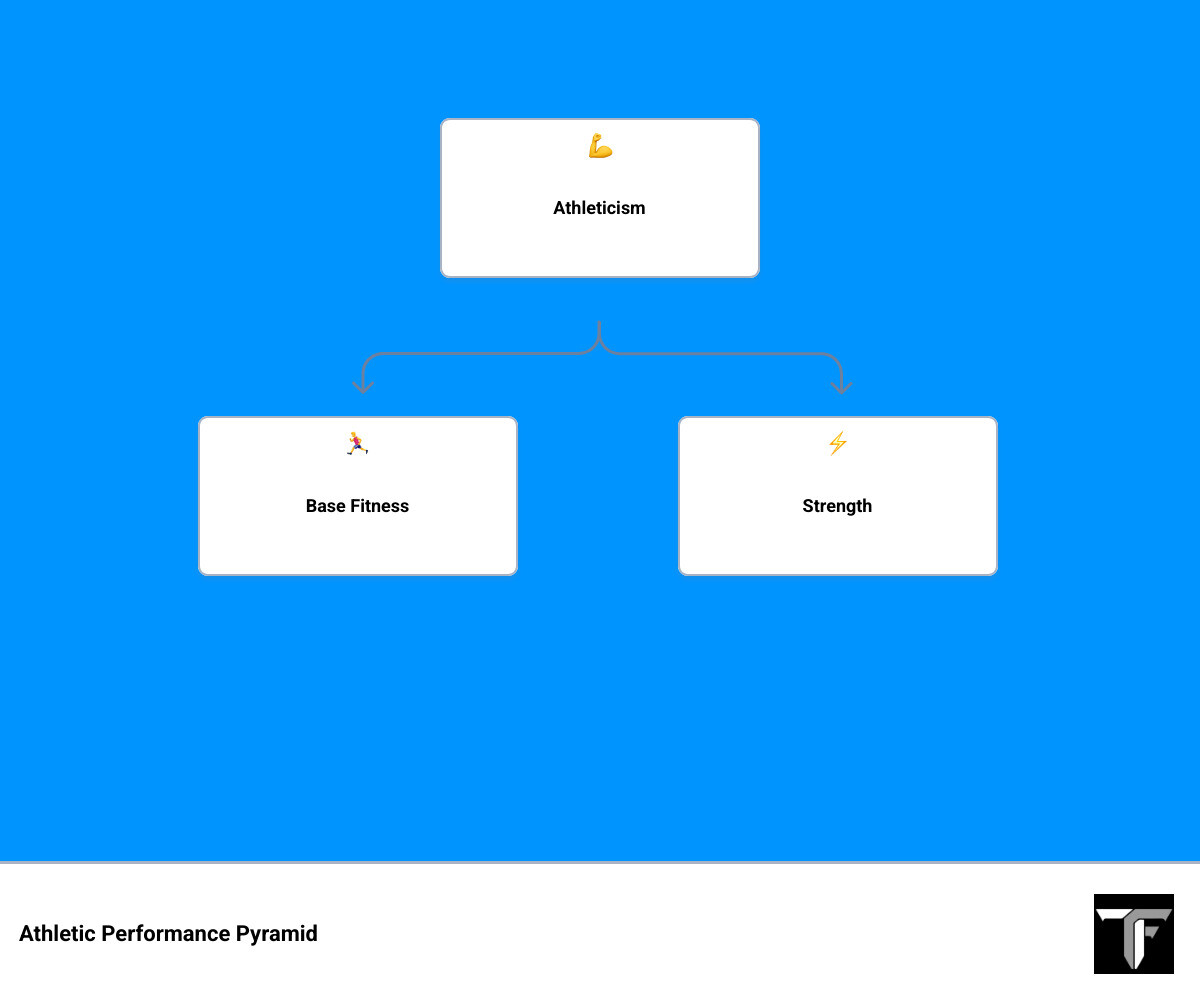
What Defines an Athletic Workout Program PDF?
When we talk about an athletic workout program pdf, we aren’t just talking about a list of exercises. We are talking about a systematic approach to human movement. Unlike a standard “beach body” routine, an athletic program is rooted in functional movement—exercises that translate directly to the movements you make during a game, a race, or even daily life in Knoxville.
A true athletic program follows the SAID principle: Specific Adaptation to Imposed Demands. If you want to get faster, you have to run fast. If you want to jump higher, you have to produce force quickly. This is where skilled-based training comes into play. We don’t just lift weights; we train the brain and body to work together in multiple planes of motion.
The Science of Energy Systems
To train like an athlete, you must understand how your body fuels movement. A comprehensive athletic workout program pdf targets three primary energy systems:
- ATP-PC (Phosphagen) System: This is for high-intensity bursts lasting 0-30 seconds, like a 40-yard dash or a heavy power clean.
- Glycolytic System: This kicks in for moderate-to-high intensity efforts lasting 30 seconds to 2 minutes, such as a long sprint or a high-rep circuit.
- Oxidative System: This is your aerobic engine, supporting low-intensity activity for more than 3 minutes and helping you recover between explosive bursts.
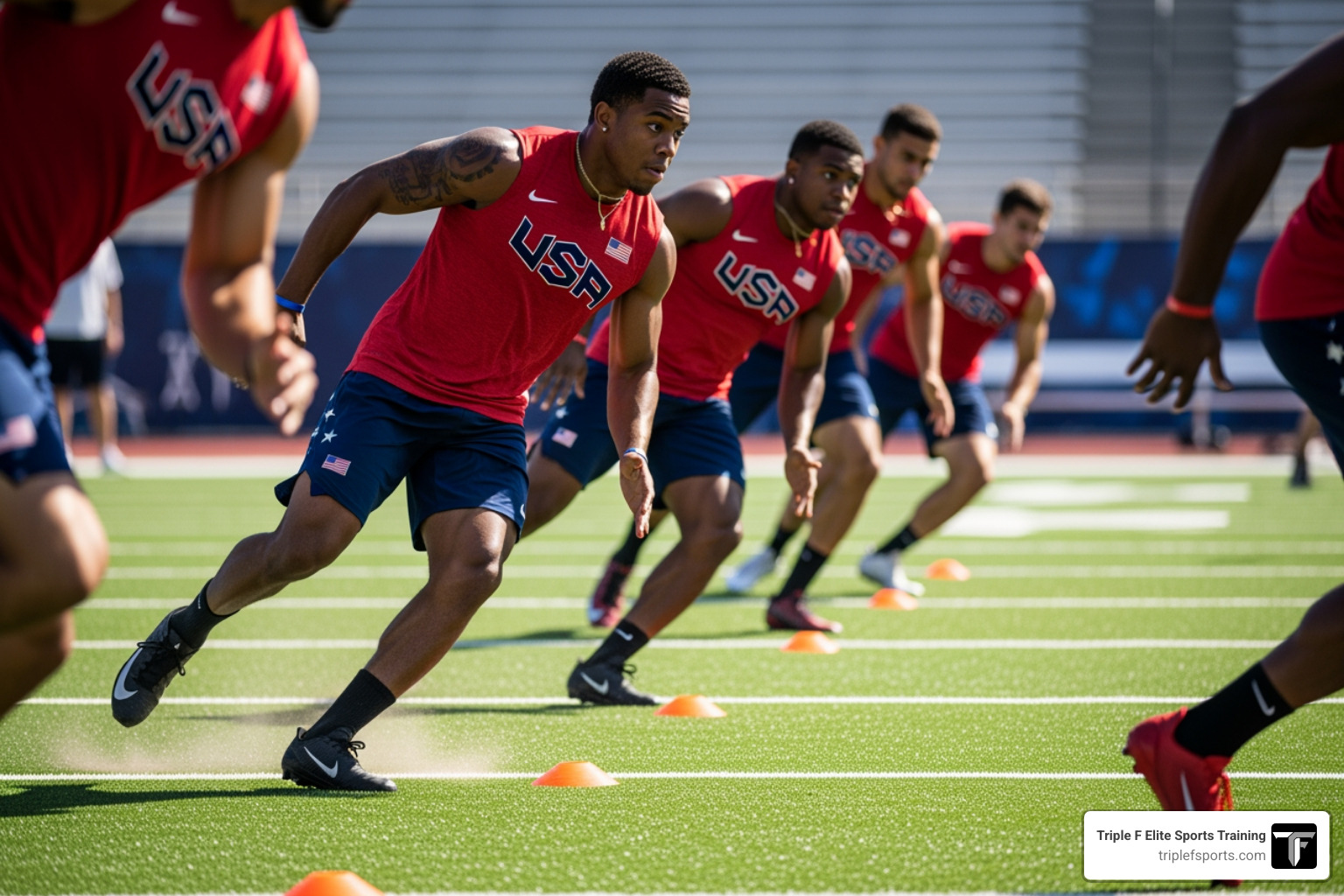
How Athletic Training Differs from Traditional Bodybuilding
While bodybuilding focuses on hypertrophy (muscle size) and isolation (think bicep curls), athletic training focuses on integration. We want the whole body to fire as one unit.
In a traditional gym setting, you might sit on a machine that stabilizes you. In an athletic program, you are the stabilizer. For example, instead of a leg extension machine, we might utilize a Single-leg Deadlift on Bosu Ball to challenge your balance, ankle stability, and posterior chain simultaneously. We prioritize force absorption—learning how to land safely—just as much as we prioritize force production.
Core Pillars: Speed, Power, and Agility
To dominate your sport, you need more than just raw strength. You need to be able to apply that strength quickly. This is the essence of sports performance Knoxville athletes strive for.
Plyometrics and Power
Plyometrics are the bridge between strength and speed. They teach your muscles to reach maximum force in the shortest possible time. Exercises like Plyo Push Ups build explosive upper-body power, while the Plyo Lunge develops the “spring” needed for sprinting and jumping.
Speed and Reactive Acceleration
Linear speed is great, but most sports require “game speed”—the ability to react to an opponent and change direction instantly. A quality athletic workout program pdf includes:
- Linear Speed: Sprint mechanics and acceleration drills.
- Change of Direction (COD): Sinking the hips and “clawing” the ground to pivot.
- Reactive Acceleration: Drills where you move in response to a whistle or a partner’s movement.
Developing these traits is a journey. You can learn more about moving from beginner to pro: coaching secrets for rapid sports skill development to see how we scale these drills for different ages.
Essential Equipment for Your Athletic Workout Program PDF
You don’t need a million-dollar facility to get results. Many of the most effective athletic strength training routines can be done with a few key pieces of gear:
- Dumbbells: The ultimate tool for unilateral (one-sided) strength.
- Pull-up bar: Essential for upper-body pulling strength. You can find a reliable pull-up bar for home use easily.
- Resistance Bands: A mini loop resistance band is perfect for glute activation and lateral stability.
- Kettlebells: Great for dynamic movements like the KB Around The World.
- Medicine Balls: Used for explosive throws and Wall Ball Shots.
- Agility Ladders: While you can draw one with chalk, a ladder is a classic tool for footwork.
Structuring Your Weekly Training Schedule
A common mistake is trying to do everything at once. If you sprint for an hour and then lift heavy for two hours every day, you won’t get faster—you’ll get injured. We recommend a “split” that allows for high intensity and adequate recovery.
| Day | Focus | Primary Goal |
|---|---|---|
| Monday | Strength / Core | Build foundational force production |
| Tuesday | Speed / Plyos | Maximize velocity and “spring” |
| Wednesday | Active Recovery | Mobility, yoga, or light cardio |
| Thursday | Strength / Core | Hypertrophy and structural balance |
| Friday | Agility / COD | Reactive movement and footwork |
| Saturday | Full Body / HIIT | Metabolic conditioning and work capacity |
| Sunday | Rest | Full recovery and nervous system reset |
The Importance of the Warm-Up
Never skip the “prep” phase. A dynamic warm-up increases muscle temperature and primes the nervous system. We prefer movements like Reverse Lunges to Rotation over static stretching before a workout. Static stretching can actually temporarily reduce power output, whereas dynamic movement prepares you for the specific demands of the session.
Rest and Recovery
Training is catabolic—it breaks your body down. You only get stronger during the recovery phase. Incorporating a 25-Minute Full Body Workout is great for busy days, but ensure you are giving your muscles 48 hours of rest between heavy sessions targeting the same groups.
Sample 4-Week Athletic Workout Program PDF Progression
To see real results, you must follow the principle of progressive overload. This means gradually increasing the difficulty of your workouts.
- Weeks 1-2 (Base Phase): Focus on perfect form, higher reps (10-12), and landing mechanics. Build a “brake” before you build an “engine.”
- Weeks 3-4 (Strength/Power Phase): Decrease reps (5-8), increase weight, and add more explosive plyometrics. You might include a 25-Minute Abs and Agility Workout to keep your core engaged during high-intensity movements.
Nutrition and Recovery for Peak Performance
You can’t out-train a bad diet. Nutrition is often the most overlooked aspect of an athletic workout program pdf. To fuel your performance in Knoxville, you need a balance of macronutrients.
Fueling the Machine
- Protein: Essential for muscle repair and protein synthesis. Aim for high-quality sources like chicken, fish, Greek yogurt, or eggs.
- Carbohydrates: These are your primary fuel source. Oatmeal, quinoa, and fruit provide the glycogen needed for explosive sprints.
- Healthy Fats: Avocado, nuts, and seeds support hormone health and joint lubrication.
- Hydration: Even slight dehydration can lead to a massive drop in power. Monitor your hydration levels daily—your urine should be a light, pale yellow.
The Power of Sleep
If you aren’t sleeping 6 to 9 hours a night, you are leaving gains on the table. Sleep is when your body releases growth hormones and repairs the micro-tears in your muscles. For younger athletes, this is especially critical. Our Youth Training 12 to 18 programs emphasize that lifestyle choices—like sleep and avoiding “junk” food—are just as important as the time spent in the weight room.
Active Recovery and Maintenance
On your off days, don’t just sit on the couch. Use foam rolling to address soft tissue tightness and perform light mobility drills to keep your joints moving through their full range of motion. Think of it as “tuning” the car so it’s ready for the next race.
Frequently Asked Questions about Athletic Training
What is the best age to start an athletic workout program?
While kids should focus on “free play” and general coordination, formal athletic training typically begins around age 12. At this stage, the focus is on bodyweight movements, coordination, and learning proper technique before adding heavy external loads.
How do I modify an athletic program for home use?
If you don’t have access to a gym, focus on plyometrics and “escalating density.” You can use a backpack filled with books for resistance, use stairs for explosive hops, or perform “tempo” reps where you lower yourself very slowly (5 seconds down) to increase the challenge.
How long does it take to see results in speed and explosiveness?
Neurological adaptations happen quickly. You might feel “snappier” or more coordinated within just 2 weeks. However, significant changes in speed and power usually take 4 to 6 weeks of consistent training, while visible muscle changes typically take 8 to 12 weeks.
Conclusion
Building an athletic body isn’t about luck; it’s about having a plan and the discipline to follow it. Whether you are a high school standout looking for a scholarship or an adult wanting to stay “game-ready” for life, a structured athletic workout program pdf is your roadmap to success.
At Triple F Elite Sports Training in Knoxville, we take a Christ-centered approach to athletic development. We aren’t just building better athletes; we are building better people. Our facility offers everything from physical therapy to specialized volleyball coaching, all designed to help you unlock your full potential.
Ready to stop guessing and start growing? Start your journey with skilled-based training today and see why we are the premier destination for athletes in East Tennessee. Your first session is on us—let’s get to work.