
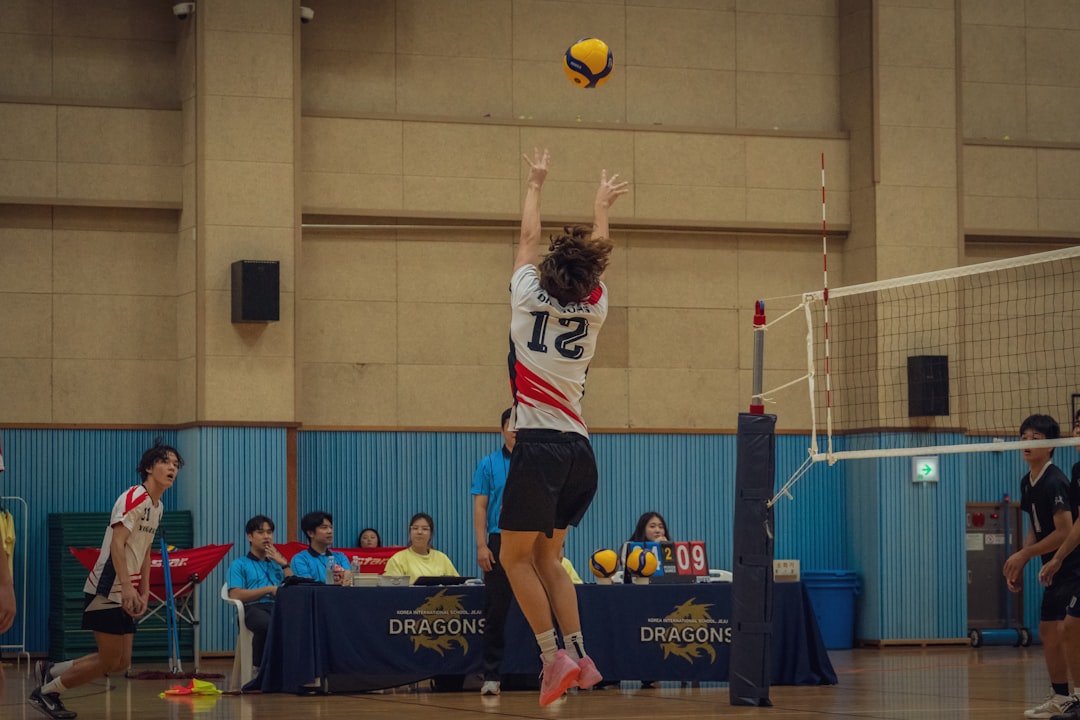
What Are Volleyball Clinics and Who Are They For?
Volleyball clinics offer structured, skill-focused training for youth athletes, from first-time beginners to players chasing varsity spots and college opportunities. At Triple F Elite Sports Training, these programs are designed to meet athletes where they are developmentally and help them progress with quality coaching, consistent repetition, and a positive training environment.
Here is a quick look at common program formats families often consider when building a development plan:
| Program | Who It’s For | Cost |
|---|---|---|
| High Performance Camp | Girls, all skill levels | $175/camp (discounts for multiple) |
| Small Group Training | Position-focused athletes | $30/session (max 6-9 athletes) |
| Academy (15 weeks) | Boys & girls ages 9-14 | $780 (payment plans available) |
| Boys Development Camp | Junior high boys | Free |
| Boys Spring Academy | Junior high & high school boys | Varies |
These types of programs are valuable because they give athletes a clear pathway for improvement. A beginner may need help with serving mechanics, footwork, and passing angles. An intermediate athlete may need game-speed reps, position-specific skill work, and confidence under pressure. Advanced players often need a more complete approach that combines technical refinement, athletic performance training, and a deeper understanding of team systems.
That is where Triple F Elite Sports Training stands out. Our approach combines volleyball skill development with professional, Christ-centered athletic training that supports long-term growth. Athletes are not simply getting extra touches on the ball. They are learning movement quality, discipline, communication, and the habits that translate to success in practice and competition.
I’m Kevin O’Shea, a Certified Strength and Conditioning Specialist with a background in athletic development and high school sports coaching. The same principles that make strong volleyball clinics effective align closely with the performance training philosophy I’ve built my career around at Triple F Elite Sports Training. In every sport, real progress comes from consistent coaching, purposeful reps, and a training environment that develops the whole athlete.
For families new to the sport, clinics can be an ideal entry point because they are less overwhelming than a full club season and still provide meaningful instruction. For experienced players, they can fill important gaps between school and club play. They also give athletes opportunities to sharpen fundamentals, improve decision-making, and build confidence before tryouts or tournament seasons begin.
If you are evaluating options for your athlete, it helps to think beyond a single camp date. The best clinic experience is one that fits your athlete’s age, current skill level, goals, and schedule. A short camp may be perfect for introducing fundamentals, while an academy or recurring training model may be better for long-term development.
To better understand where your athlete fits, it can also be helpful to review the broader structure of the sport through resources like USA Volleyball, the national governing body for volleyball in the United States.
In the sections below, we will break down the most important things to look for in a volleyball clinic, what different training formats offer, and how Triple F Elite Sports Training helps athletes in Knoxville and the surrounding area build a strong foundation for the future.
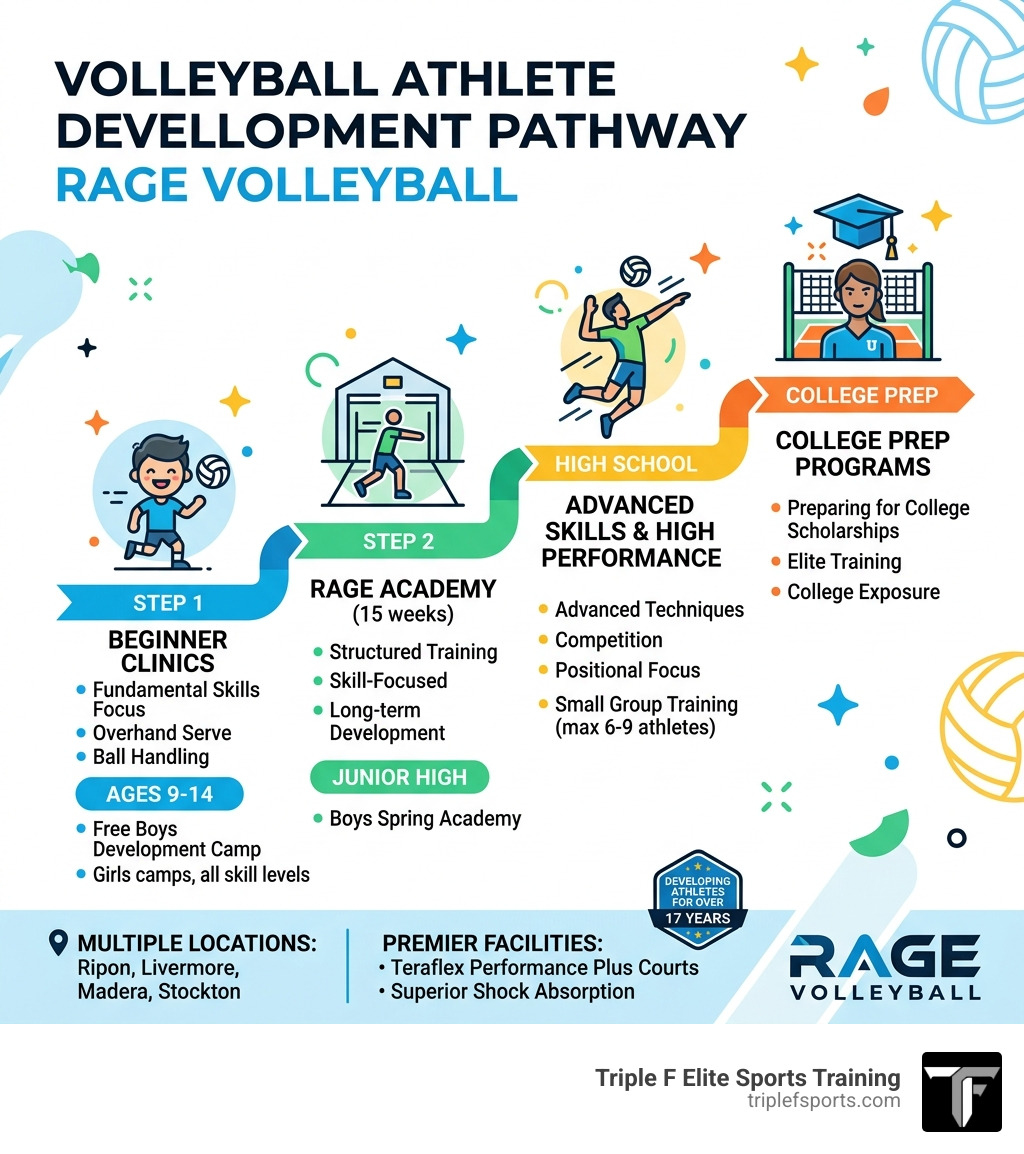
Overview of Volleyball Clinics and Training Facilities
When we look at the foundation of a great athlete, the environment they train in is just as important as the coaching they receive. High-quality training centers should give athletes a safe, organized, and motivating place to learn. That matters in volleyball, where players are constantly jumping, landing, changing direction, diving, and reacting at high speed.
At Triple F Elite Sports Training, we believe the best Volleyball Training environment supports both skill development and physical preparation. Athletes benefit from court time, but they also benefit from strength work, movement training, injury prevention strategies, and coaching that understands how performance develops over time.
A strong volleyball training facility should include quality court space, enough room for small-group instruction, and access to performance resources that help athletes become more complete players. The most effective settings also create an atmosphere where athletes can focus, compete, and grow without feeling lost in an overcrowded gym.
Beyond the court itself, modern training spaces often include fitness areas that allow athletes to integrate age-appropriate performance work into their volleyball development. This can include jump mechanics, landing technique, core strength, shoulder stability, speed, and overall movement efficiency. Those physical qualities are especially important as players get older and the demands of competition increase.
For parents, the facility experience matters too. A well-run program should communicate clearly, keep sessions organized, and provide a level of professionalism that gives families confidence in the training process. That kind of environment helps athletes stay consistent, and consistency is one of the biggest predictors of improvement.
Whether your athlete is preparing for school ball, looking for extra reps in the offseason, or building a foundation for future competitive play, the right training space can make a major difference in both performance and enjoyment of the sport.
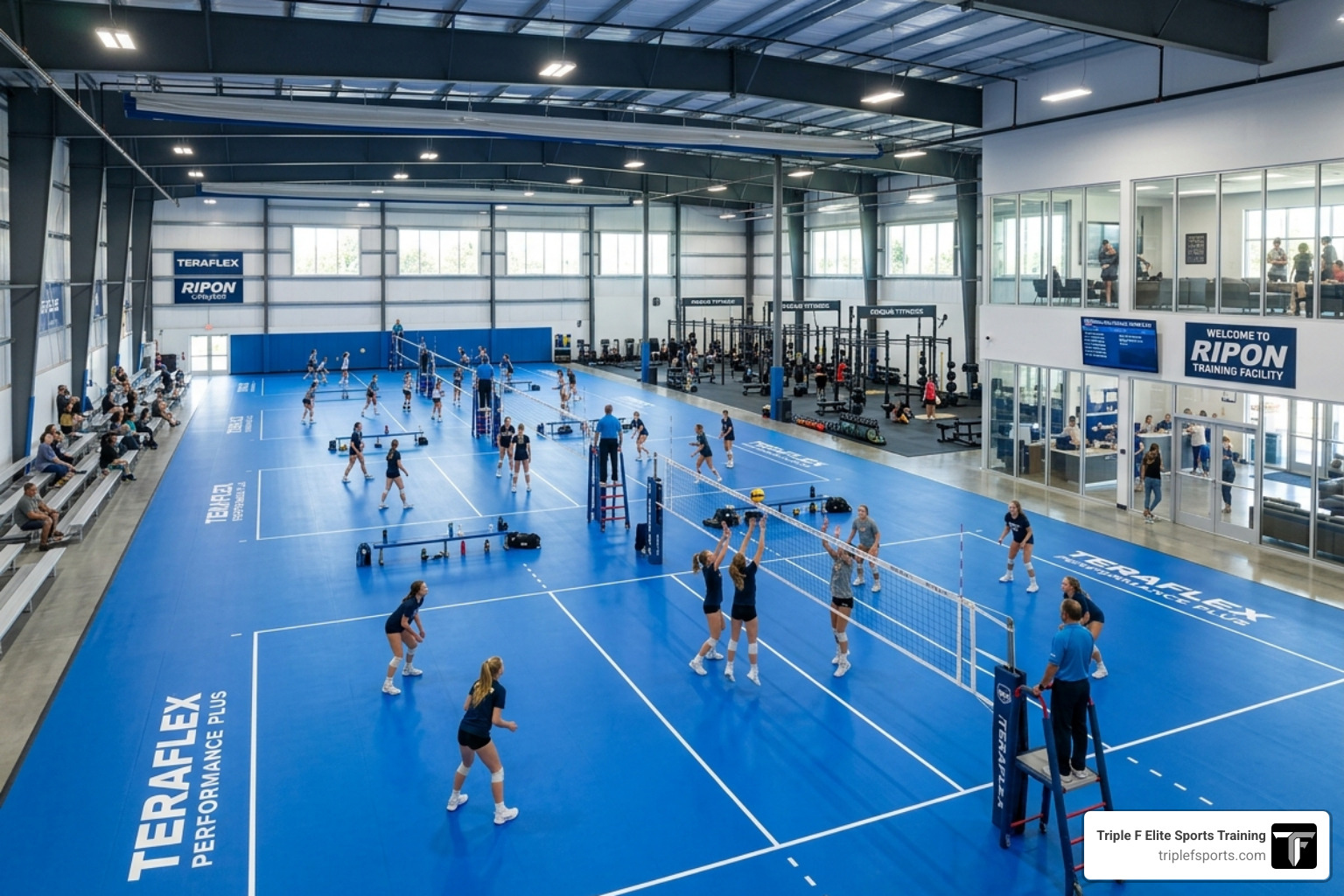
High Performance Summer Camps and Specialized Training
As summer approaches, many families look for ways to keep athletes active while also helping them improve before the next school or club season. That is where focused volleyball clinics and camps can be especially valuable. These training opportunities give athletes a chance to build skills in a concentrated setting without the full commitment of a long competitive season.
High Performance Camps are a great option for girls of all skill levels who want to sharpen their fundamentals before school volleyball begins. To make sure each player receives meaningful coaching, enrollment is typically capped at 50 athletes per location. That limit helps maintain a better coach-to-player experience and allows sessions to stay organized, competitive, and productive.
For athletes who need a more individualized approach, Small Group Training offers one-hour sessions with only 6 to 9 athletes. This setting is ideal for position-specific work and detailed technical coaching. Setters can focus on hand position, release point, and tempo. Liberos and defensive specialists can work on platform control, reading hitters, and serve receive movement. Attackers can improve approach rhythm, arm swing mechanics, and transition footwork.
These smaller sessions are also useful for athletes who may not yet be ready for a large camp environment but still want high-quality reps. The reduced group size often leads to more feedback, more touches, and a clearer sense of what an athlete needs to improve next. Families looking for local opportunities can find more details on Clinics Camps for registration.
Summer training can also help athletes maintain momentum between seasons. Instead of losing valuable months of development, players can use camps and clinics to reinforce fundamentals, improve conditioning, and enter tryouts with more confidence. Even a few extra sessions can make a noticeable difference in passing consistency, serving confidence, and overall movement quality.
Comparing Summer Training Options
| Feature | High Performance Camp | Small Group Training |
|---|---|---|
| Focus | All-around skill & competition | Position & skill-specific |
| Group Size | Up to 50 athletes | 6-9 athletes |
| Cost | $175 per camp | $30 per session |
| Duration | 3-day intensive | 1-hour targeted session |
The best choice often depends on the athlete’s current needs. If a player wants broad instruction and competitive reps, a camp setting may be the right fit. If the goal is to clean up specific weaknesses or prepare for a particular role on the court, small group training may provide more value. In many cases, the ideal development plan includes both.
The 2026 Academy: A Path to Competitive Play
If your athlete is looking for a consistent, long-term growth track, the Academy program is the flagship option to watch. Running for 15 weeks from January through May 2026, the Academy provides a structured alternative to the heavy travel and high expense that often come with traditional club volleyball.
The Academy is designed to build a bridge from recreational play to more competitive levels of the sport. Instead of relying only on occasional camp experiences, athletes train over an extended period with a clear developmental progression. That longer timeline allows coaches to teach, reinforce, and retest skills in a way that leads to more lasting improvement.
Participants do not just practice. They also compete in monthly internal tournaments so they can apply what they have learned in game-like situations. That competitive element is important because athletes need more than technical instruction. They need opportunities to serve under pressure, communicate in transition, make decisions in real time, and learn how to respond when momentum shifts during a match.
Another benefit of an academy format is the sense of identity it creates. Athletes train with the same group over time, build relationships, and gain confidence through familiarity and repetition. Exclusive gear can add to that team feeling, but the bigger value comes from belonging to a structured environment where athletes are encouraged to grow week after week. You can track these types of opportunities on our Events page.
Developing Skills in Volleyball Clinics
In the early stages of the Academy and general clinics, the focus is on technical fundamentals. This includes ball control, movement patterns, platform angles, serving mechanics, attacking footwork, and a stronger understanding of court positioning. We believe that Volleyball is a game of confidence, and confidence starts with a rock-solid foundation in the basics.
Young athletes especially benefit from learning how to do simple things well. Clean reps in passing, serving, and body control create the platform for future success. Without those basics, advanced systems and tactics become much harder to execute.
Advanced Growth in Volleyball Clinics
For older athletes, the focus shifts toward high school preparation and elite tactical awareness. Advanced training should challenge players to read the game faster, communicate more effectively, and execute their skills under pressure. That may include faster offensive tempos, more demanding defensive reads, and better understanding of rotations, coverage, and transition play.
At this stage, athletes also benefit from stronger physical preparation. Jumping, landing, shoulder health, speed, and resilience all become more important as match intensity increases. We encourage players to stay ahead of the curve by checking the Volleyball Master Calendar so they never miss a specialized master class or high-level training block.
For families who want a balanced path that supports both development and competition, an academy model can be one of the best long-term investments in an athlete’s progress.
Programs for Boys: From Free Clinics to Spring Academy
Boys’ volleyball is one of the fastest-growing segments of the sport, and that growth has created a real need for more quality training opportunities. For many boys, a free development clinic is the perfect starting point. It offers an introduction to the game, a chance to learn the basics, and an opportunity to experience structured coaching without a financial barrier.
These entry-point programs are especially helpful for junior high and middle school athletes who may be brand new to volleyball. They can learn core skills like passing, serving, attacking, and movement patterns while also getting a feel for the pace and energy of the sport. Just as important, they begin to understand how volleyball works as a team game built on communication, discipline, and trust.
Parent education can also play a valuable role in these events. Families often have questions about development pathways, seasonal schedules, and how to balance training with school sports and other commitments. A well-run clinic can help parents better understand what the next steps look like, whether that means summer training, school-season preparation, or a more structured academy environment.
For boys who discover that they want more than a one-time clinic, a Spring Academy model can provide the next step. Recurring sessions allow coaches to build on the basics and help athletes make measurable progress over time. Instead of relearning the same skills each visit, players can steadily improve their technique, game awareness, and confidence in competition.
This kind of progression matters because boys’ volleyball athletes often improve rapidly when they have access to consistent instruction. As the sport continues to grow, players who start early with good fundamentals and strong movement habits will be better prepared for school teams and future competitive opportunities.
For those in the Tennessee region looking for high-quality local training, check out Volleyball Clinics Camps Knoxville. Triple F Elite Sports Training provides a strong environment for boys who want to learn the game, develop athleticism, and grow in a supportive, Christ-centered setting.
Registration, Costs, and College Prep Focus
We know that navigating sports registrations can be a headache, so we work to simplify the process for families. Whether you are signing up for a summer camp, recurring small-group sessions, or a full Academy program, the Serve Up Your Spot A Guide To Easy Volleyball Camp Registration guide can help you move through registration with less stress and more clarity.
Cost is naturally part of the decision for every family. Common price points in the volleyball clinic space include around $175 for a camp, $30 for a small-group training session, and $780 for a longer Academy-style program. Payment plans can make elite training more accessible, especially for families trying to balance athletics with other household expenses. When comparing options, it helps to look not only at the total price but also at the number of sessions, coaching quality, athlete-to-coach ratio, and the overall value of the training experience.
At Triple F Elite Sports Training, we encourage families to think about development as an investment in the athlete rather than a one-time transaction. The right training environment can improve performance, but it can also build confidence, consistency, discipline, and physical readiness. Those benefits carry over into school volleyball, club participation, and even other sports.
For athletes with long-term goals, one of the most valuable aspects of structured training is preparation for the next level. A strong development program does not only focus on the next game or the next tryout. It helps athletes build habits that support high school success and, for some players, future college opportunities.
That college prep focus may include:
- Technical skill development that holds up at faster game speeds.
- Better strength, movement quality, and injury-resilience habits.
- Exposure to organized, competitive training environments.
- Guidance on long-term player development and readiness.
- Access to performance principles that align with higher-level athletic expectations.
Families can also benefit from reviewing general recruiting guidance from trusted sources such as the NCAA, which outlines what student-athletes should understand as they explore college athletics.
At the end of the day, the best registration decision is the one that matches your athlete’s current stage of development. Some players need a short camp to build confidence. Others need a full season of consistent coaching. The goal is not to rush the process, but to choose the next right step.
Frequently Asked Questions about Volleyball Clinics
Where are these clinics located?
Many volleyball clinics and camps are offered in regional training hubs, but the most important factor is finding a local program that meets high standards for coaching, safety, and athlete development. For families in Knoxville, Tennessee, Triple F Elite Sports Training offers a premier destination for volleyball development that is convenient for athletes in Knoxville and the surrounding communities.
What age groups can participate in these clinics?
Programs typically offer sessions for a wide range of ages, starting at 9 years old and continuing through 18. That usually covers athletes from Grade 4 through Grade 12. There are often sessions for both boys and girls, with skill levels ranging from complete beginners to advanced players preparing for varsity and beyond.
Are there discounts for attending multiple camps?
Yes. Multi-camp participation is often encouraged because consistent repetition leads to better long-term development. In many camp models, bundling multiple sessions can reduce the overall cost while also helping athletes maintain progress throughout the summer. Families should always review current registration details to confirm available pricing, scheduling, and payment options.
How do I know which program is right for my athlete?
A good starting point is to consider your athlete’s age, experience level, confidence, and goals. A beginner may do best in a broad fundamentals clinic, while an experienced player may benefit more from small-group position training or a longer academy format. If you are unsure, start with a conversation about your athlete’s needs and choose the setting that provides the right mix of instruction, repetition, and encouragement.
What should athletes expect to work on in a clinic?
Most volleyball clinics focus on core skills such as passing, serving, setting, attacking, footwork, and court awareness. More advanced programs may also include tactical decision-making, game-speed reps, and physical preparation such as jumping and movement mechanics. The best clinics make sure athletes understand not just what to do, but why it matters in competition.
Can clinics help athletes prepare for school tryouts?
Absolutely. Clinics can be a strong way to prepare for school or club tryouts because they increase touches on the ball, improve technical consistency, and help athletes gain confidence in a structured environment. They also expose players to coaching feedback and competitive drills that more closely reflect the pressure of tryout settings.
Conclusion
At Triple F Elite Sports Training, we share a deep passion for athletic excellence, purposeful coaching, and community impact. Families looking for volleyball clinics are usually searching for more than a few extra reps. They want a place where athletes can learn the game the right way, grow in confidence, and develop habits that serve them well both on and off the court.
That is exactly why long-term development matters. Real improvement rarely comes from a single weekend of training alone. It comes from consistent coaching, quality repetition, athletic preparation, and a supportive environment that challenges players to keep growing. Whether an athlete is just starting out or preparing for the demands of higher-level competition, the right program can make a lasting difference.
Triple F Elite Sports Training offers Knoxville-area athletes a professional, Christ-centered training environment built to unlock potential. Our goal is to help each player take the next step with clarity and confidence, whether that means building fundamentals, refining position-specific skills, or preparing for a more competitive season ahead.
If you are ready to invest in your athlete’s future, do not wait for the season to start. Register for Volleyball Clinics and Camps today and begin building the foundation for long-term success.