
Why the Best Foods for Athletes Can Make or Break Your Performance
The best foods for athletes are not just about eating more — they’re about eating smarter. What you put on your plate directly affects how hard you can train, how fast you recover, and whether you reach the podium or fall short.
Quick Answer: Top Foods for Athletes
| Food | Primary Benefit |
|---|---|
| Oatmeal | Sustained energy from complex carbs |
| Wild salmon | Muscle repair and anti-inflammation |
| Bananas | Fast energy and potassium for cramp prevention |
| Sweet potatoes | Glycogen replenishment and micronutrients |
| Greek yogurt | Protein for muscle recovery |
| Quinoa | Complete protein + fiber (8g protein per cup) |
| Blueberries | Antioxidants to reduce exercise-induced inflammation |
| Avocados | Healthy fats for sustained energy and recovery |
| Eggs | Leucine-rich protein for muscle synthesis |
| Almonds | Anti-inflammatory polyphenols and healthy fats |
Every athlete strives for an edge. But here’s what most people miss: your training is only as good as the fuel behind it. A 2% drop in hydration alone is enough to hurt your performance — before you even feel thirsty. The food choices you make days and weeks before competition matter just as much as what you eat on game day.
Whether you’re a high school athlete in Knoxville grinding through two-a-days or an adult competitor chasing a personal best, dialing in your nutrition is one of the highest-return investments you can make.
I’m Kevin O’Shea, a Certified Strength and Conditioning Specialist and former college wide receiver who has worked with athletes at multiple levels — and understanding the best foods for athletes has been central to every performance program I’ve built. Let’s break down exactly what to eat, when to eat it, and why it works.
The Foundation: Macronutrients and the Best Foods for Athletes
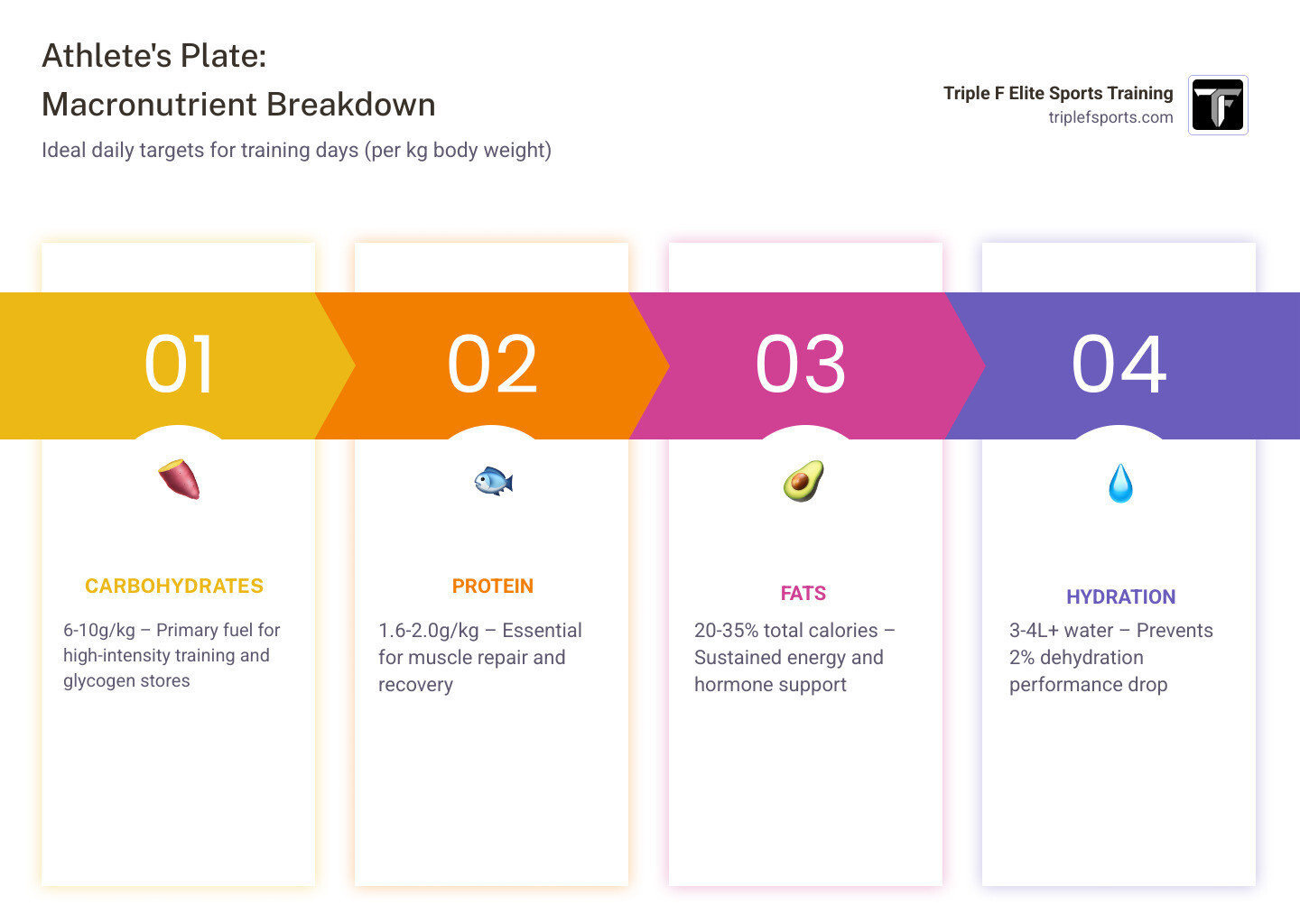
To understand how to fuel properly, we have to look at the numbers. Athletes aren’t average Joes; our metabolic demands are significantly higher. According to research on nutrition and athletic performance, male athletes often require between 2,400 and 3,000 calories per day, while female athletes generally need between 2,200 and 2,700 calories. If you’re in a heavy training block or a growth spurt, these numbers can climb even higher.
Energy density is the name of the game. We need to pack as many nutrients as possible into every bite to ensure we aren’t just “full,” but actually fueled. When we talk about the best foods for athletes, we are looking at how carbohydrates, proteins, and fats work together to prevent fatigue and injury. If you find yourself hitting a wall during practice, it’s often a sign that your caloric intake isn’t matching your output. For those looking for a tailored approach, check out our nutrition services to see how we help Knoxville athletes dial in these numbers.
Carbohydrates: The High-Octane Fuel for Performance
Carbohydrates are the body’s preferred source of energy, especially for high-intensity training. When we eat carbs, our body breaks them down into glucose, which is then stored in our muscles and liver as glycogen. Think of glycogen as your body’s fuel tank. Once that tank is empty, you “bonk” or hit the wall.
For endurance athletes, the demand is massive. Research on pre-competition fueling suggests that those in high-intensity training may need 8–10 grams of carbohydrates per kilogram of body weight. This is where “carb-loading” comes in — a strategy used 24–48 hours before big events like marathons or long tournaments to maximize those glycogen stores.
The best foods for athletes in the carb category include:
- Quinoa: A powerhouse that provides 8 grams of protein and 5 grams of fiber per cup, making it a “complete protein” source.
- Sweet Potatoes: These offer a lower glycemic index than white potatoes, providing sustained energy without the sugar crash.
- Whole-Grain Pasta: A classic for a reason, providing the bulk energy needed for long-duration sports.
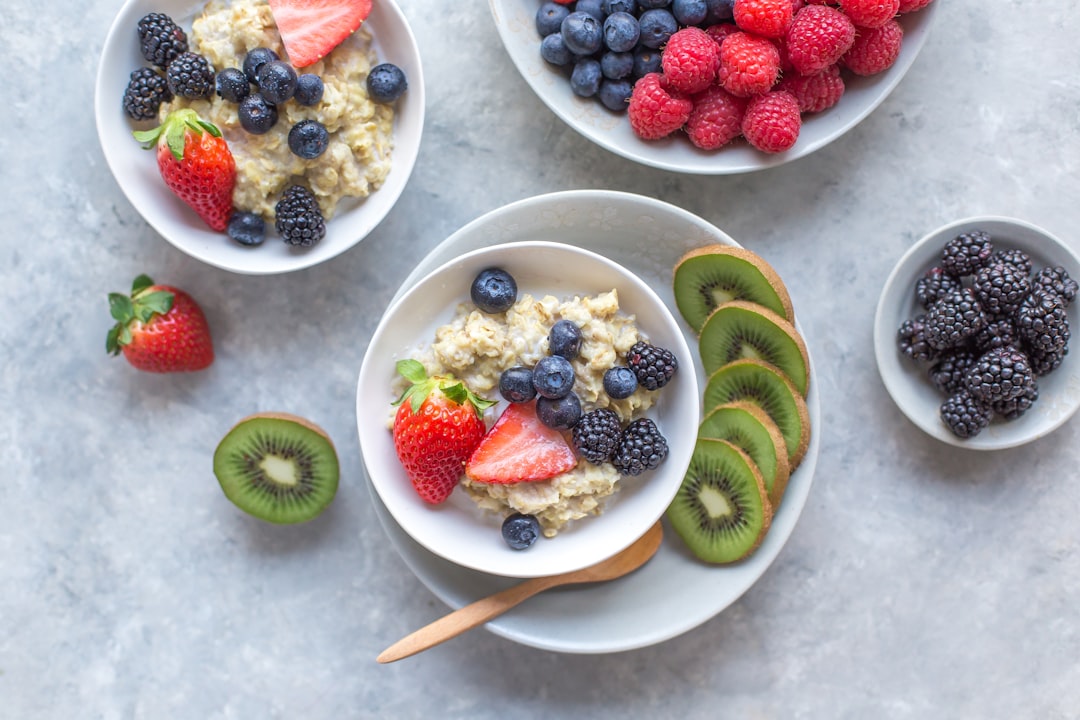
- Oatmeal: The ultimate pre-morning training meal, packed with fiber to keep blood sugar stable.
Protein and Healthy Fats: Building Blocks and Sustained Energy
While carbs provide the “go,” protein provides the “grow.” Exercise creates micro-tears in your muscle fibers. Protein provides the amino acids necessary to repair that damage, making the muscle stronger than it was before. For most athletes, a range of 1.2–2.0 grams of protein per kilogram of body weight is ideal.
We should specifically look for leucine-rich proteins. Leucine acts like a “light switch” for muscle protein synthesis. You’ll find high concentrations of this in animal products like eggs and dairy, but plant-based athletes can get it through soy and legumes.
Don’t fear the fats! Healthy fats are essential for long-term energy and hormone production. Research on workout nutrition shows that fats help us absorb vitamins A, D, E, and K.
- Wild Salmon: This is a gold-standard food. It provides high-quality protein and omega-3 fatty acids, which reduce the inflammation caused by heavy lifting or long runs.
- Greek Yogurt: This contains double the protein of regular yogurt and is a great source of calcium for bone health.
- Avocados and Almonds: These provide monounsaturated fats. Almonds are particularly great; eating about 40 a day has been linked to reduced muscle damage in athletes.
- Pumpkin Seeds: A hidden gem that provides over half your daily magnesium needs in just one serving, which is crucial for muscle contraction.
Timing and Hydration: Fueling for Performance and Recovery
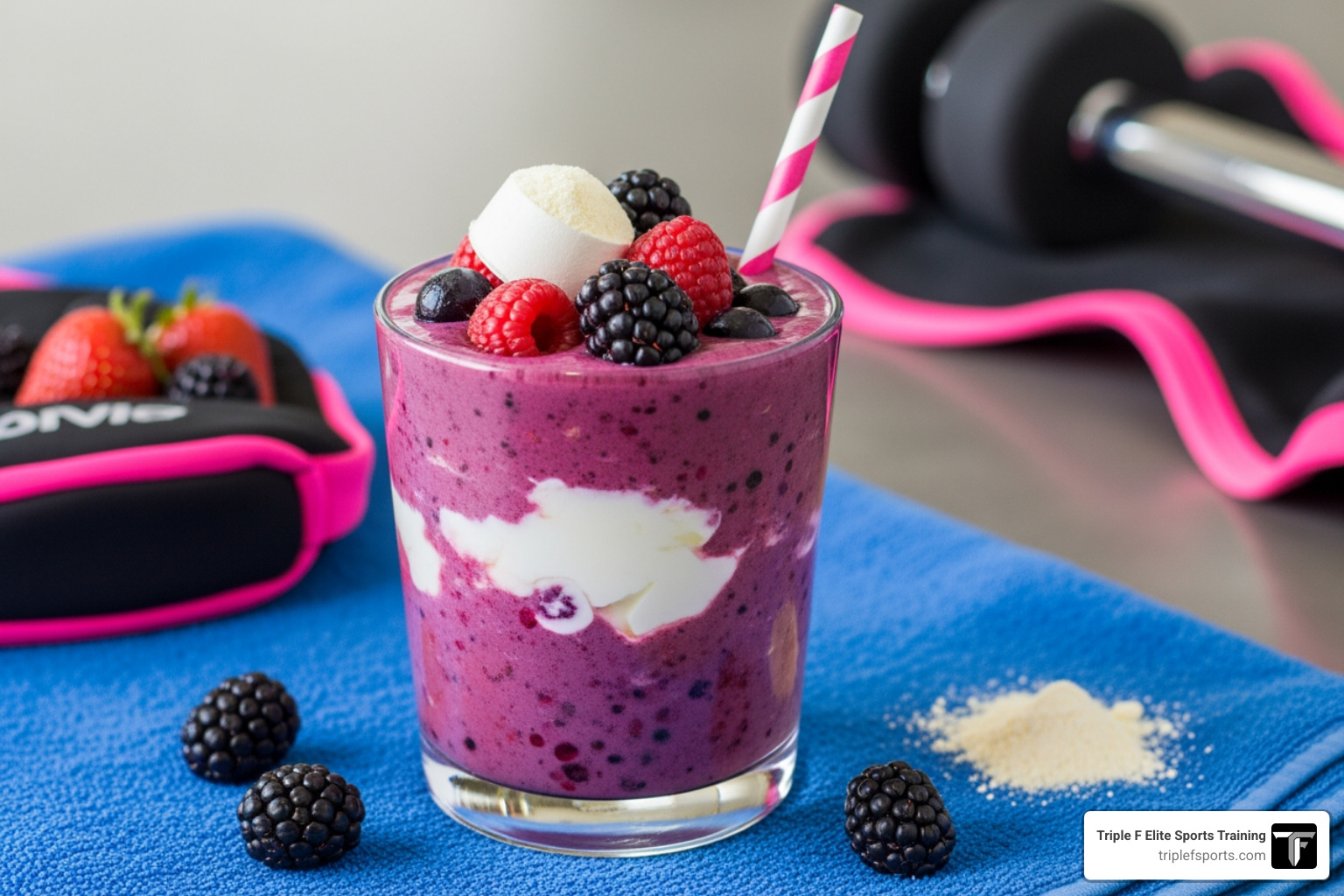
Timing is just as important as the food itself. Your body has different needs depending on whether you are about to start a session, are in the middle of a game, or are trying to recover. During exercise lasting longer than 60 minutes, you should aim to consume 30–60 grams of carbohydrates per hour to maintain blood glucose levels and delay fatigue.
| Timing | Goal | Best Food Choices |
|---|---|---|
| Pre-Workout (3-4 hrs) | Build glycogen stores | Chicken sandwich on whole-grain bread, sweet potato with tuna |
| Pre-Workout (30-60 min) | Quick energy boost | Banana, fruit leather, granola bar, applesauce |
| Intra-Workout | Maintain blood sugar | Raisins, sports drinks, pretzels, energy gels |
| Post-Workout (30-60 min) | Repair and replenish | Chocolate milk, protein shake with fruit, Greek yogurt |
Pre, Intra, and Post-Workout Food Choices
Before you train, focus on simple carbohydrates that are easy on the stomach. You want to avoid high-fiber or high-fat foods right before a whistle blows, as these take longer to digest and can cause cramping. A banana or a handful of raisins are perfect 30 minutes before a session.
After the workout, the “metabolic window” opens. This is the 30–60 minute period where your muscles are most receptive to nutrients. Aim for 25–35 grams of protein paired with carbohydrates to kickstart muscle protein synthesis. Research on endurance training meals emphasizes that the carb-to-protein ratio should change based on your sport — endurance athletes need more carbs (4:1 ratio), while strength athletes can go closer to 2:1.
Game Day Nutrition and the Best Foods for Athletes on the Go
Traveling for tournaments in middle Tennessee or heading out of state for a showcase? Don’t rely on the concession stand. Greasy burgers and salty fries are the fastest way to a sluggish second half.
Planning is key. Pack portable, familiar foods that you know your stomach can handle. Whole-grain crackers with low-fat cheese or turkey wraps are excellent travel staples. Stick to the “Golden Rule” of sports nutrition: Never try a new food on game day. You don’t want to find out you have a sensitivity to a specific energy gel in the middle of a championship game. Research on sports nutrition importance reminds us that consistency is what builds champions.
Hydration Strategies and Micronutrient Support
Water is the most overlooked nutrient in an athlete’s arsenal. Remember: a 2% drop in body weight from fluid loss can significantly impair your aerobic capacity and cognitive function.
Our hydration rule of thumb:
- Pre-training: Drink 16 ounces of water 2 hours before you start.
- During: 4–6 ounces every 15 minutes.
- Post-training: Weigh yourself before and after. For every pound lost, drink 16–24 ounces of fluid.
Don’t forget micronutrients. Vitamins and minerals act as the “spark plugs” for your metabolism. Focus on high-ANDI (Aggregate Nutrient Density Index) foods. Collard greens (score of 1,000) and Swiss chard (score of 670) provide stable energy and essential minerals like magnesium and potassium. Berries and spinach are packed with polyphenols and antioxidants that help clear out the “rust” (oxidative stress) created during hard training sessions.
Sport-Specific Fueling and Foods to Avoid
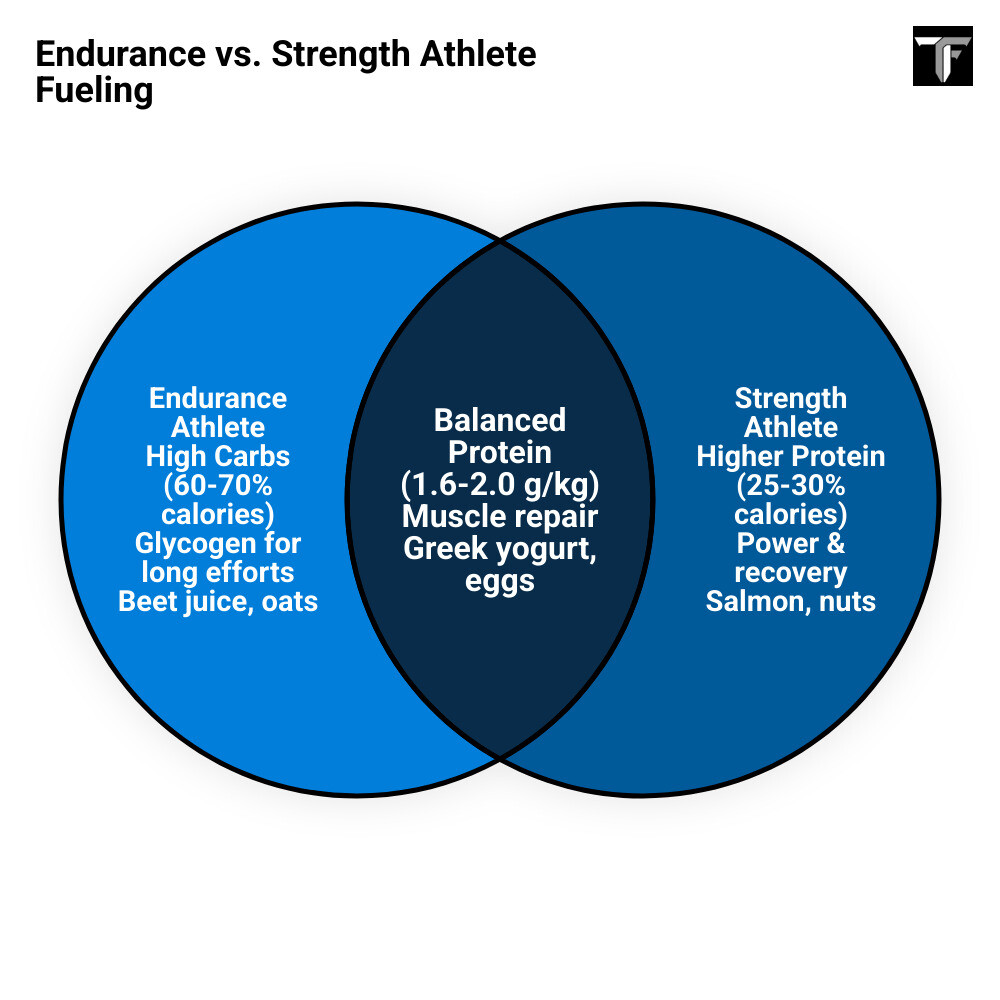
Not all athletes are created equal. A lineman at a Knoxville football camp has very different needs than a cross-country runner. If an athlete doesn’t eat enough to cover their training volume, they risk Relative Energy Deficiency in Sport (REDs), which leads to fatigue, bone density loss, and hormonal issues. Research on eating for peak performance shows that tailoring your plate to your specific discipline is the final step in elite fueling.
Tailoring the Best Foods for Athletes to Your Discipline
- Endurance Athletes: Your focus is on volume. You need high-carb intake to sustain 90+ minute efforts. Beet juice is a secret weapon here; the nitrates in beets improve blood flow and oxygen delivery, helping you run or cycle longer.
- Strength Athletes: You need that 2:1 or 3:1 carb-to-protein ratio. While protein is king for muscle growth, you still need the carbs to fuel the explosive power needed for heavy lifts.
- Team Sports: Soccer, basketball, and volleyball involve “stop-and-go” movements. You need a mix of complex carbs for stamina and simple sugars (like fruit) during halftime for quick bursts of energy. Research on fueling for performance highlights that these athletes benefit most from consistent, balanced meals throughout the day.
What to Skip: Foods That Sabotage Performance
Just as important as what you eat is what you avoid. Some foods create inflammation, cause digestive distress, or provide “empty” calories that don’t help you win.
The Performance Sabotage List:
- Alcohol: It provides 7 kcal/gram but zero nutritional value. It dehydrates you and disrupts protein synthesis for up to 24 hours.
- High-Fructose Corn Syrup: Found in sodas and cheap snacks, it causes insulin spikes followed by energy crashes.
- Trans Fats: These are pro-inflammatory and can slow down your recovery time.
- High-Fiber Foods (Pre-Game): While fiber is great for daily health, eating a big bowl of broccoli an hour before a game is a recipe for bloating.
- New Foods: Again, stick to what you know works for your body.
Frequently Asked Questions about Athlete Nutrition
What are the best foods for athletes to eat for breakfast?
The best breakfast combines complex carbohydrates with a hit of protein. Think oatmeal with blueberries and walnuts, or whole-grain toast with eggs and avocado. This provides a steady release of energy to get you through your morning training.
How much protein do I really need for muscle growth?
Most athletes need between 1.2 and 2.0 grams of protein per kilogram of body weight. For a 175-lb (80kg) athlete, that’s roughly 96 to 160 grams of protein per day. Eating more than this won’t necessarily build more muscle and can actually lead to dehydration if you aren’t careful.
Is carb-loading necessary for every sport?
No. Carb-loading is most effective for endurance events lasting longer than 90 minutes (like marathons or long soccer matches). For a typical 60-minute weightlifting session or a short sprint, a standard balanced diet with a pre-workout snack is usually sufficient.
Conclusion
At Triple F Elite Sports Training in Knoxville, we believe that every athlete is a “temple.” Our professional, Christ-centered approach to athletic development means we look at the whole person — including how you fuel your body. Whether you are a youth athlete looking to make the varsity squad or an adult wanting to stay competitive, we are here to help you unlock your full potential.
Nutrition isn’t a “one-size-fits-all” game. It takes experimentation, consistency, and expert guidance. If you’re ready to stop guessing and start performing, come see us for a free first session and let’s get to work.
Ready to take your game to the next level? Unlock your potential with Triple F Nutrition and start eating like a champion today.