
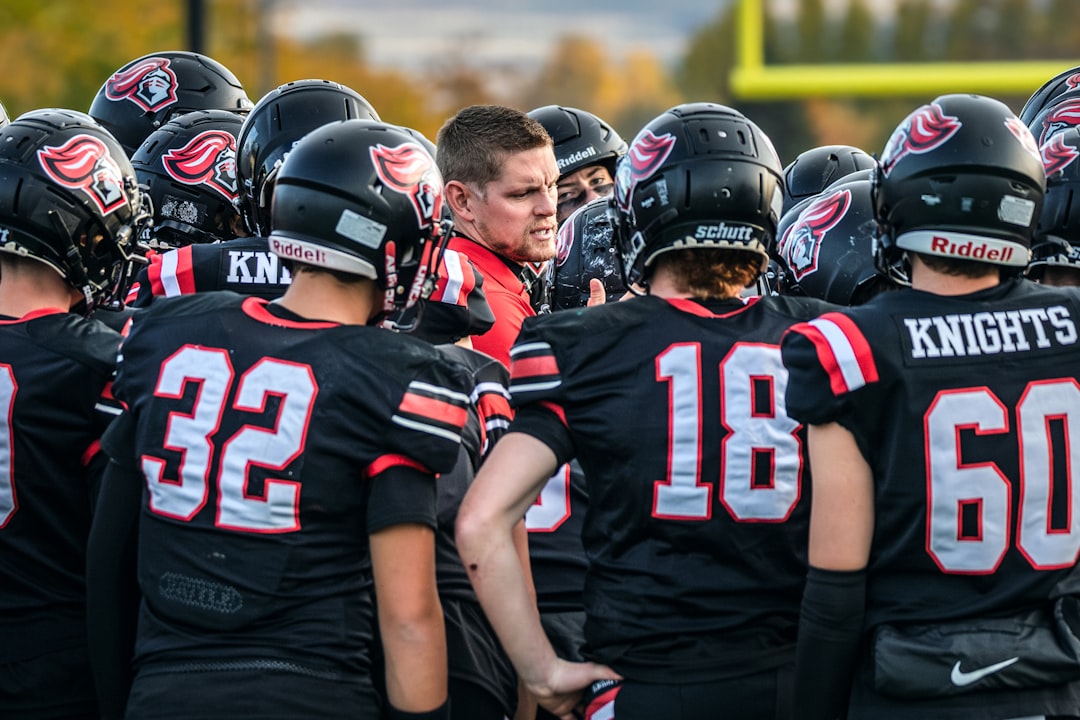
What Is Football Coaching Development (And Why It Matters)
Football coaching development is the structured process of improving how coaches teach, lead, and grow players — at every level of the game.
Here’s a quick breakdown of what it covers:
| Area | What It Means |
|---|---|
| Coaching roles | Coach, Coach Educator, Coach Educator Developer, Coach Educator Leader |
| Core skills | Tactics, communication, player relationships, session design |
| Safety & inclusion | Age-appropriate training, health standards, diversity programs |
| Professional growth | Certifications, mentorship, video analysis, deliberate practice |
| Youth development | Structured pathways from grassroots to elite performance |
Great coaching is about far more than drawing up plays. As one Premier League coaching expert put it: “If you want better players, you need better coaches — and if you want better coaches, you need better coach developers.” That chain of development is exactly what this guide unpacks.
Whether you’re a youth coach just starting out or an experienced practitioner looking to sharpen your skills, understanding how coaching development works — from the ground up — is the first step to making a real impact on your players.
I’m Kevin O’Shea, a Certified Strength and Conditioning Specialist and experienced Wide Receiver Coach whose work in football coaching development spans high school offenses, player development, and athletic training right here in Knoxville. That hands-on background shapes everything you’ll find in this guide.

Essential football coaching development terms:
The Four Pillars of Football Coaching Development
To understand how the modern game evolves, we have to look at the framework established by global leaders like FIFA. They identify four distinct target audiences within football coaching development. While we often focus only on the person standing on the sideline with a whistle, there is a massive support system behind them.
The four pillars are:
- The Coach: The practitioner on the field leading sessions and making in-game decisions.
- The Coach Educator: The person responsible for training those coaches, designing curricula, and facilitating workshops.
- The Coach Educator Developer: An innovator who trains the educators, ensuring that the people teaching our coaches are using the best possible methods.
- The Coach Educator Leader: The strategic visionary who handles quality assurance, ethical leadership, and national standards.
This creates what we call a “multiplier effect.” If a national association helps 20 coaches, 20 teams get better. But if a Coach Educator Developer helps 20 educators, and each of those educators trains 20 coaches, the impact reaches thousands of players. This hierarchical approach ensures that global standards for coaching development remain high across the board. For those looking to dive into the technical side of the game, professional scouting and analysis programs offer a deep dive into the data that drives these modern systems.
The Role of the Coach Educator
The Coach Educator is the bridge between theory and practice. Their job isn’t just to hand out a playbook; it’s to mentor and facilitate growth. They use adult learning principles to ensure that information actually “sticks.” This involves a mix of classroom sessions—where tactical concepts are debated—and demo sessions, where they model how to lead a practice effectively.
A key part of their role is assessment and feedback. They don’t just tell a coach they did a “good job.” They look for specific competencies, such as how the coach manages the “3Ps” (Pitch, Players, and Practice). By providing a mirror for the coach to see their own strengths and weaknesses, the educator fosters a culture of self-awareness.
Strategic Leadership in Coaching
At the highest level, Coach Educator Leaders are the ones steering the ship. They focus on organizational culture and ethical leadership. In Knoxville, we see the importance of this every day at Triple F. It’s not just about winning games; it’s about creating an environment where athletes feel safe, valued, and challenged. These leaders ensure that coaching programs aren’t just stagnant sets of rules but are innovative, evolving systems that prioritize player well-being alongside performance.
Core Competencies: Mastering the Art of Coaching
What makes a “great” coach? While knowing your X’s and O’s is vital, modern football coaching development emphasizes that soft skills are just as important as tactical knowledge. On-pitch tactics—like understanding defensive principles with Luton Town Academy—must be balanced with off-pitch management.
At Triple F, we believe in a player-centered approach. This means removing the coach’s ego from the equation. Coaching is a human activity, and building trust-based relationships is the foundation of everything else. If a player doesn’t trust you, they won’t take the risks necessary to grow. Whether we are working on offensive line sports training or agility drills, the relationship comes first.
Effective Communication: When to Tell vs. Ask
One of the most difficult skills for a new coach to master is the “art of the question.” There is a time for directive coaching—telling a player exactly where to stand or how to move. This is “telling.” However, to create “thinking players,” coaches must learn when to “ask.”
By using questioning techniques, you empower players to solve problems on their own. Instead of saying, “You missed the hole,” you might ask, “What did you see from the linebacker that made you cut back there?” This active engagement forces the player to process the game at a deeper level, leading to better decision-making under pressure.
Structuring Success: The Science of Football Coaching Development
Effective coaching isn’t accidental; it’s structured. One of the best ways to teach complex tactics is through layering information. You start with a simple concept and gradually add “layers” of complexity as the players show mastery.
Key tools for structuring this process include:
- The Coaching Debrief: Making learning stick by reviewing what happened immediately after a session.
- The 3Ps Observation Tool: Focusing on the Pitch (setup), Players (engagement), and Practice (flow).
- Deliberate Practice: Focusing on specific skills rather than just “playing.”
- Video Feedback: Using film to show players exactly what they are doing well and where they can improve.
For example, when we provide wide receiver training insights, we use video analysis to break down release techniques and route stems. The same applies to our defensive line and linebacker training, where footwork and hand placement are scrutinized to the inch.

Safety and Inclusion in Modern Football Coaching Development
The game of football has changed significantly over the last decade, and much of that is due to a renewed focus on safety and age-appropriate training. The USA Football Development Model (FDM) has been a game-changer here. It provides a smarter, safer way to teach the game by meeting athletes where they are in their physical and mental development.
The statistics speak for themselves:
- Over 1.2 million USA Football coach trainings have been completed.
- 90% of people believe coaches are more informed on health and safety than they were five years ago.
- 84% of stakeholders believe the FDM is moving the game in the right direction.
By utilizing youth flag football drills and effective mastery, coaches can teach the fundamentals of spacing, catching, and de-flagging before moving into high-contact environments. This progression ensures that the 3.6 million contact and non-contact players across the country are developing in a way that prioritizes their long-term health.
Supporting Underrepresented Coaches
Football coaching development also means ensuring that the coaching box looks like the huddle. Initiatives like the England Football Mentee Programme are designed to support coaches from underrepresented backgrounds, including female, Black, Asian, and ethnically diverse practitioners.
These programs often require a UEFA B Diploma and provide 1:1 mentoring, club visits, and bespoke development plans. By removing barriers to entry, the game gains a wider range of perspectives and experiences, which ultimately makes the sport stronger for everyone.
High-Performance Environments for Women’s Coaching
The growth of the women’s game has led to specific initiatives like the Coaching Excellence Initiative. This 18-month program supports elite female coaches, helping them develop a culture of leadership and high performance. It includes “buddying” systems and peer mentoring, allowing coaches to share insights on everything from tactical shifts to defending and pressing in a 4-2-3-1.
Professional Pathways and Elite Mentorship
For those looking to make coaching a career, the pathways have never been clearer. Programs like SMWW offer advanced football coaching certificates that provide NFL-level insights into QB development, building a winning culture, and scripting the “First 15” plays.
These courses are led by mentors with decades of experience in the league, teaching coaches how to lead through both success and adversity. At Triple F, we often look to these professional standards to inform our own NFL pre-draft training, ensuring our Knoxville athletes are prepared for the highest levels of competition.
Case Study: Arsenal’s Coach Development Programme
A fantastic example of a “joined-up” approach is the Arsenal Coach Development details. This program is unique because it doesn’t require prior coaching experience—just a willingness to learn and a positive mindset.
Participants gain qualifications like FA Level 1, First Aid, and Safeguarding, while taking on placements in:
- Community projects in London.
- The Arsenal Girls’ Academy.
- International placements in the USA and even refugee camps in Jordan.
This inclusive approach proves that coaching development can be a powerful tool for community building and global outreach, not just tactical superiority.
The Future of Coach Developers
The future of the game rests on the shoulders of those who develop the developers. The Premier League’s Future Coach Developers (FCD) program is a prime example of this “multiplier impact.” By focusing on “adaptive expertise”—the ability to flex your approach based on the individual coach in front of you—these programs ensure that learning never stops.
As Premier League Future Coach Developers insights suggest, the best developers know exactly when to challenge a coach and when to support them. This lifelong learning mindset is what keeps the sport evolving and ensures that the next generation of players is even better than the last.
Frequently Asked Questions about Football Coaching
What are the four key target audiences in coaching development?
According to FIFA, the four key audiences are the Coach (practitioner), the Coach Educator (trainer of coaches), the Coach Educator Developer (trainer of educators), and the Coach Educator Leader (strategic and ethical head).
How does the Football Development Model (FDM) improve player safety?
The FDM improves safety by using age-appropriate teaching methods, reducing unnecessary contact, and providing coaches with standardized health and safety training. It meets athletes at their specific developmental stage rather than using a “one size fits all” approach.
Why is developing coach developers considered a “multiplier effect”?
It is a multiplier because a single coach developer can train 20-30 coach educators. Those educators then train hundreds of coaches, who in turn impact thousands of players. Improving the person at the top of the chain elevates the standard of the entire system.
Conclusion
Mastering football coaching development is a journey, not a destination. It requires a commitment to continuous education, a high level of self-awareness, and a genuine desire to put the player at the center of everything you do. Whether you are leading a youth team in Knoxville or analyzing film for a professional squad, the principles of trust, structure, and safety remain the same.
At Triple F Elite Sports Training, we are dedicated to this mission. Our Knoxville facility isn’t just a place to lift weights; it’s a hub for athletic and coaching excellence. We invite you to explore our Knoxville football camp opportunities or reach out for more info about skilled-based training.
Ready to take your coaching or your game to the next level? Come see us at Triple F in Knoxville. Your first session is on us, and we’d love to help you unlock your full potential on and off the field.