
Why Comprehensive Sports Therapy Is the Key to Smarter Athletic Recovery
Comprehensive sports therapy is a full-spectrum approach to treating and preventing sports injuries — combining clinical rehabilitation, hands-on treatment, and performance training to get athletes back to peak condition.
Here’s a quick breakdown of what it includes:
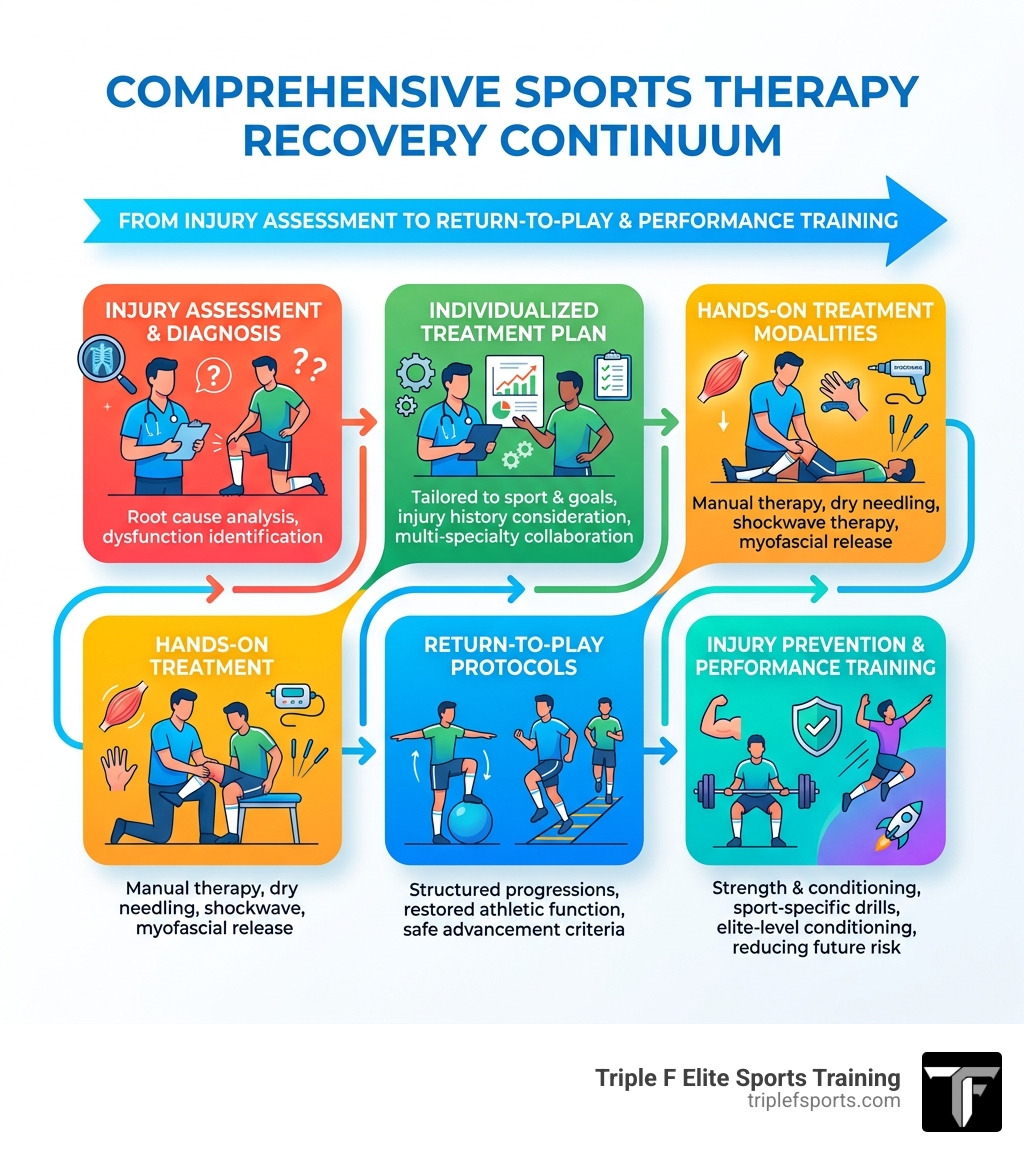
- Injury assessment and diagnosis – identifying the root cause of pain or dysfunction
- Individualized treatment plans – tailored to your sport, goals, and injury history
- Hands-on treatment modalities – such as manual therapy, dry needling, and shockwave therapy
- Multidisciplinary care – physical therapists, athletic trainers, chiropractors, and orthopedic specialists working together
- Return-to-play protocols – structured progressions to safely restore full athletic function
- Injury prevention and performance training – so you come back stronger, not just healed
Whether you’re dealing with a nagging ankle sprain, recovering from ACL surgery, or trying to stay ahead of overuse injuries, the right sports therapy program can mean the difference between a full comeback and a recurring setback. Research shows that effective physical therapy can reduce an athlete’s risk of injury by as much as 41% — yet most athletes don’t seek help until the damage is already done.
I’m Kevin O’Shea, a Certified Strength and Conditioning Specialist and co-founder of Triple F Elite Sports Training in Knoxville, and my background in athletic development and behavioral health has shown me how comprehensive sports therapy bridges the gap between recovery and elite performance. In this guide, we’ll walk you through everything you need to know to make smarter decisions about your recovery.
Simple Comprehensive sports therapy glossary:
What Defines Comprehensive Sports Therapy?
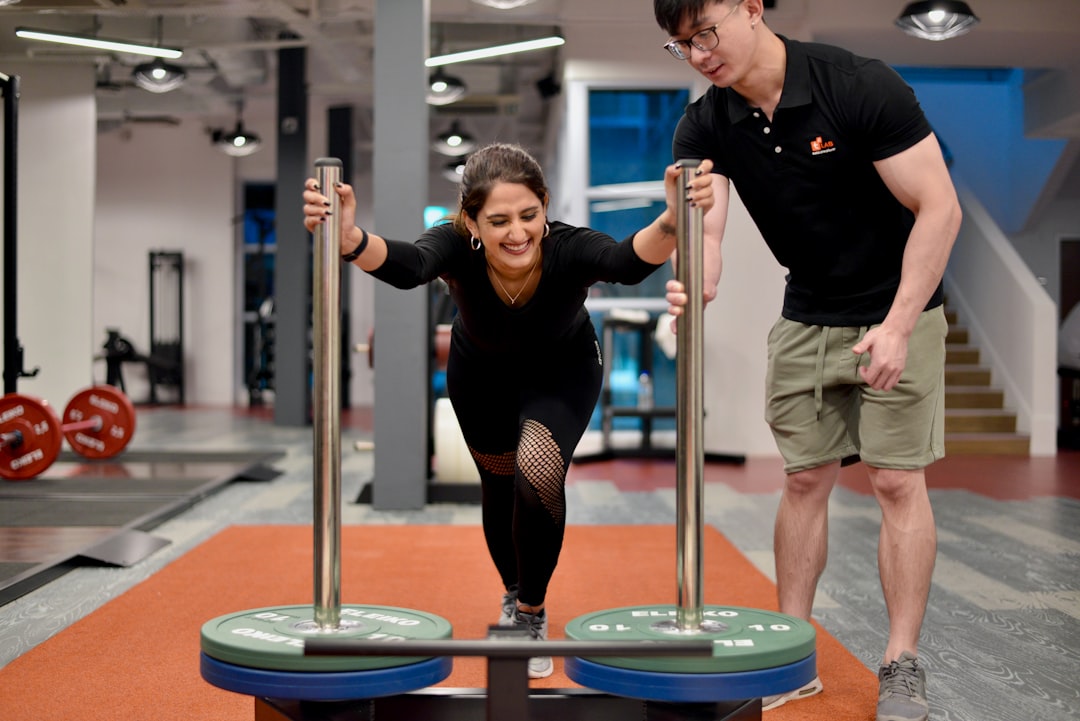
When we talk about comprehensive sports therapy, we aren’t just talking about icing a sore muscle or doing a few stretches. It is a highly specialized branch of healthcare that focuses on the unique needs of the athletic population. At its core, this approach is defined by a hands-on, individualized methodology.
In a top-tier setting, you won’t find “cookie-cutter” exercises. Instead, we perform an exhaustive assessment to find the root of the problem. For example, your knee pain might actually be caused by a lack of mobility in your ankle or weakness in your hip. By addressing these underlying limitations, we reduce pain more quickly and ensure the injury doesn’t return.
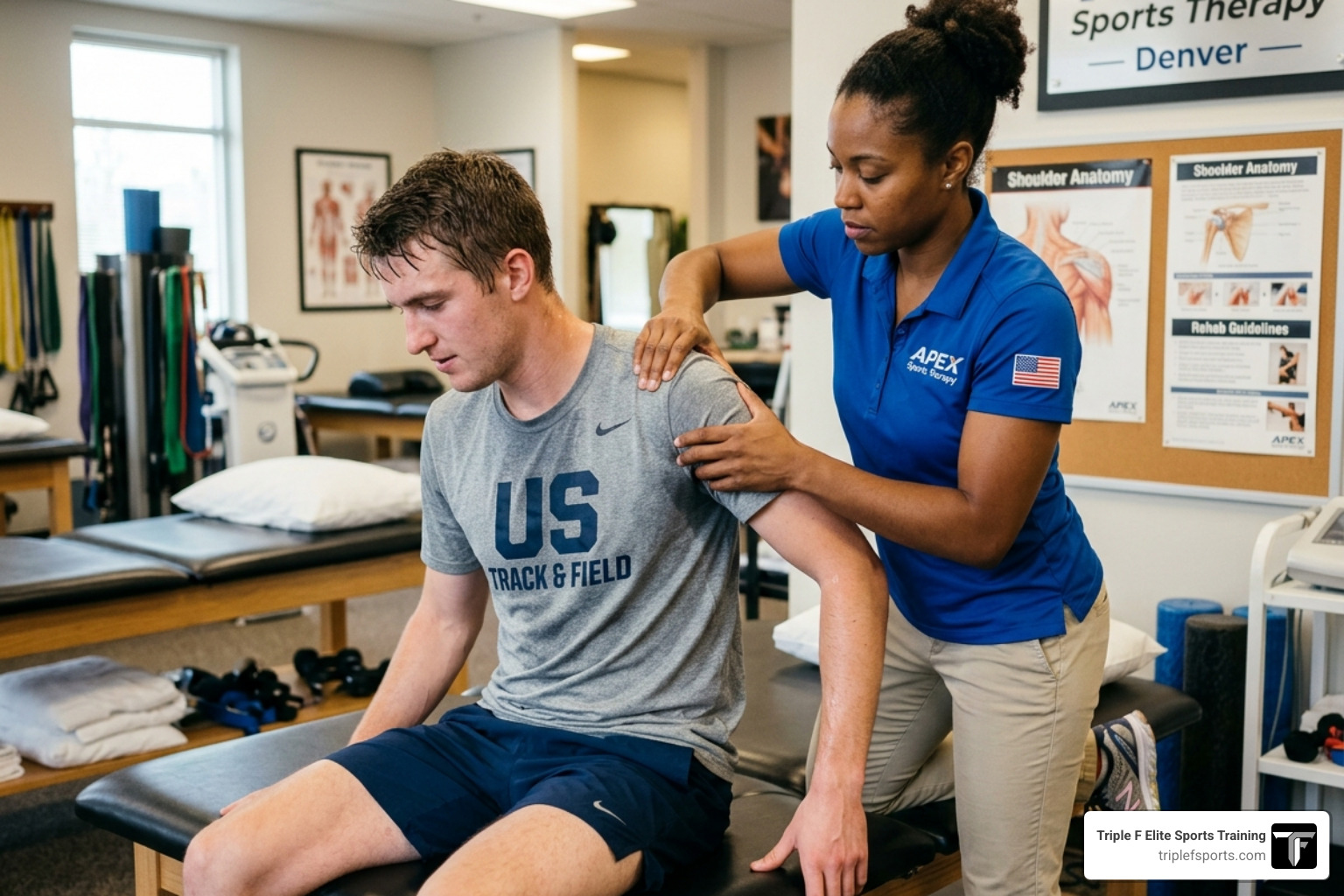
A major differentiator in this field is the level of clinical expertise. While many general practitioners are excellent, comprehensive sports therapy often involves specialists with advanced certifications. This includes board-certified specialists who understand the high-intensity demands of competitive sports. We pride ourselves on providing one-on-one supervision during every visit, ensuring that every movement is performed with precision.
You can explore our specific Physical Therapy services to see how we apply these individualized plans to athletes in the Knoxville area.
How it Differs from Traditional Physical Therapy
Traditional physical therapy is often focused on “activities of daily living.” The goal might be to help a patient walk up the stairs without pain or reach into a cabinet after surgery. While these are vital goals, they fall short for an athlete who needs to sprint, jump, or throw a 90-mph fastball.
Comprehensive sports therapy focuses on performance optimization. We don’t just want you to walk; we want you to excel. This involves high-intensity return-to-play protocols and specialized Sports Medicine techniques that bridge the gap between clinical rehab and the field of play. We treat the body as a high-performance machine, looking at biomechanics, power output, and sport-specific movements.
The Importance of Board-Certified Specialists
Did you know that less than 2% of physical therapists nationwide hold the Sports Certified Specialist (SCS) designation through the American Physical Therapy Association (APTA)? This is a significant statistic because it highlights the level of dedication required to master sports-specific care.
Therapists in a comprehensive program typically hold a Doctorate of Physical Therapy (DPT) and often pursue advanced clinical knowledge in acute injury management and emergency care on the field. This expertise allows them to handle complex cases — like multi-ligament knee repairs or overhead throwing injuries — with a level of nuance that general therapy simply can’t match.
Common Injuries Treated with Comprehensive Sports Therapy
Athletes push their bodies to the limit, which inevitably leads to wear and tear. Comprehensive sports therapy is designed to manage a wide array of conditions, from sudden “pop” injuries to chronic “aching” issues.
Some of the most common injuries we see include:
- ACL Tears and Meniscus Injuries: Often requiring a combination of post-surgical rehab and intensive strength restoration.
- Rotator Cuff and Labrum Tears: Common in baseball, tennis, and swimming.
- Hamstring Strains and Ankle Sprains: These may seem minor but often lead to re-injury if the underlying mechanics aren’t fixed.
- Shin Splints and Stress Fractures: Common in runners and endurance athletes.
- Tennis and Golfer’s Elbow: Overuse injuries that require targeted manual therapy.
Prevention is also a huge part of what we do. For instance, knowing how to prevent groin pulls through proper stretching and core stability can keep you on the field longer.
Managing Concussions and Back Pain through Comprehensive Sports Therapy
Not all sports injuries are orthopedic. Concussions are a major concern in contact sports like football and soccer. Comprehensive programs offer vestibular rehabilitation to help athletes regain their balance and cognitive focus safely.
Back pain is another frequent culprit, often stemming from spinal misalignment or nerve impingement. Whether it’s whiplash from a collision or chronic lower back pain from heavy lifting, we focus on core stability and spinal health to get you back to 100%. If you are in the Knoxville area and struggling with these issues, you can learn how to Bounce Back Stronger with our specialized protocols.
Advanced Rehabilitation for Complex Joint Injuries
Joint injuries, particularly post-surgery, require a delicate balance of protection and progression. We use joint mobilization techniques to restore range of motion and specific strength protocols to wake up dormant muscles. For those looking for world-class standards, facilities like the Sports Rehabilitation and Performance Center emphasize the use of research-backed cartilage repair and ligament reconstruction rehab.
Advanced Treatment Modalities and Multidisciplinary Teams
One of the hallmarks of comprehensive sports therapy is the access to a “toolbox” of advanced treatments. We don’t rely on just one method; we use whatever combination will produce the best results for the individual athlete.
Comparison of Popular Sports Therapy Modalities
| Modality | How It Works | Best For |
|---|---|---|
| Manual Therapy | Hands-on manipulation of joints and soft tissue. | Improving mobility and reducing pain. |
| Dry Needling | Uses thin needles to release trigger points in muscles. | Chronic tension and rapid muscle adaptation. |
| Shockwave Therapy | High-energy sound waves to stimulate healing. | Tendonitis and plantar fasciitis. |
| Blood Flow Restriction (BFR) | Using a cuff to limit blood flow during exercise. | Building muscle strength with low loads. |
| Aquatic Therapy | Exercising in water to reduce weight-bearing. | Early-stage post-op and joint pain. |
Other techniques include IASTM (Instrument Assisted Soft Tissue Mobilization) and cupping, which help break up scar tissue and improve blood flow to injured areas. For those interested in the latest medical advancements, Sports Medicine Center research highlights the growing role of Platelet-Rich Plasma (PRP) and stem cell treatments in accelerating tissue repair.
The Power of a Multidisciplinary Approach
We believe that a team of experts always outperforms a single individual. In a comprehensive model, physical therapists work side-by-side with orthopedic surgeons, athletic trainers, and chiropractors. This ensures a seamless transition from the operating table to the training floor.
We also integrate Nutrition and massage therapy into our recovery plans. When everyone is on the same page, the athlete doesn’t have to bounce between different providers who might give conflicting advice. This integrated care philosophy is what clinics like Active Sports Therapy use to serve tens of thousands of patients successfully every year.
State-of-the-Art Facilities and Technology
The environment where you train matters. Top-tier clinics feature equipment that you won’t find in a standard gym. This includes:
- 3D Motion Capture: For precise biomechanical analysis of your gait or throwing motion.
- Isokinetic Systems: To measure exact strength imbalances between limbs.
- AlterG Anti-Gravity Treadmills: Allowing you to run at a fraction of your body weight to maintain cardio during injury.
- Metabolic Testing: To dial in your nutrition and training zones.
The Roadmap to Recovery: From Assessment to Return-to-Play
Recovery isn’t a straight line; it’s a structured journey. It begins with a comprehensive biomechanical assessment. We look at how you move, where you are weak, and where you are tight.
Once we have the data, we create an individualized plan. This often involves therapeutic exercise, which goes beyond basic movements to include functional training that mimics the demands of your sport. We monitor your progress constantly, adjusting the load and intensity as you heal.
Establishing Effective Return-to-Play Protocols
The most dangerous time for an athlete is the moment they feel “fine” but haven’t yet proven they can handle the rigors of competition. We use strict return-to-play protocols that include:
- Gait Analysis: Ensuring your running mechanics are sound.
- Strength Testing: Verifying that the injured limb is within 90-95% of the healthy limb’s strength.
- Agility Drills: Testing your ability to cut, pivot, and react.
- Psychological Readiness: Helping you regain trust in your body so you don’t play with fear.
The Role of Performance Training in Comprehensive Sports Therapy
Rehab shouldn’t end when the pain stops. In fact, that’s where the real work begins. We view recovery as a continuum that leads directly into performance training. This includes speed development, power optimization, and building “injury resilience.” By improving your movement mechanics, we don’t just get you back to where you were — we make you better than you were before the injury.
Frequently Asked Questions about Comprehensive Sports Therapy
How long does the recovery process typically take?
There is no one-size-fits-all answer, as healing timelines depend on the severity of the injury and your consistency with the program. However, a typical sports therapy session lasts 40–60 minutes. During your initial evaluation, we provide an estimated timeline. Minor strains might take 2–4 weeks, while major ligament reconstructions like an ACL can take 9–12 months for a full return to competitive play.
Who can benefit from sports therapy services?
Everyone! While we work with professional athletes from the NFL, NBA, and MLB, comprehensive sports therapy is equally beneficial for:
- Youth Athletes: Developing proper mechanics early to prevent future issues.
- Weekend Warriors: People who love to stay active but deal with nagging “mid-life” pains.
- Active Seniors: Those looking to maintain mobility and strength as they age.
- Amateurs: Anyone looking to improve their speed, agility, or overall fitness.
When should I seek professional sports therapy?
If you have pain that persists after 48–72 hours of rest, or if you notice your performance is diminishing, it’s time to see a specialist. You don’t need to wait for a catastrophic injury. Early intervention for overuse issues can prevent a small problem from becoming a season-ending surgery. In many cases, you can be seen for an evaluation within 48 hours of an injury.
Conclusion
At Triple F Elite Sports Training in Knoxville, Tennessee, we are dedicated to helping you unlock your full potential. Our approach is professional, evidence-based, and Christ-centered, ensuring that every athlete is treated with the highest level of care and respect. Whether you are a young athlete dreaming of the pros or an adult looking to stay in the game, our comprehensive sports therapy and performance training programs are designed for you.
We offer everything from physical therapy and sports medicine to specialized volleyball clubs and metabolic testing. Don’t let an injury define your athletic career. Take the first step toward a stronger, more resilient version of yourself.
Unlock your potential with Triple F — Contact us today to schedule your free first session!