
Why Meal Plans for Athletes Are the Foundation of Peak Performance
Meal plans for athletes are structured daily eating guides that match what you eat to what your body actually burns — broken down by sport, training phase, and body weight.
Here’s a quick snapshot of what an effective athlete meal plan looks like:
| Element | What It Means for Athletes |
|---|---|
| Calories | 2,200–5,000+ kcal/day depending on sport and size |
| Protein | 1.2–2.2 g per kg of body weight daily |
| Carbohydrates | 3–10 g per kg of body weight depending on intensity |
| Meal Timing | Pre-workout carbs + post-workout protein within 30–60 min |
| Hydration | 80–96 oz of water per day, more during heavy training |
| Meal Frequency | 5–6 meals/day to fuel output without GI discomfort |
Most people eat to feel full. Athletes need to eat to perform — and that requires a completely different approach.
Training hard without fueling right is like running a race car on the wrong fuel. You might move, but you won’t go fast — and eventually, something breaks. Whether you’re a student-athlete in Knoxville grinding through two-a-days or an adult competitor chasing a personal best, the gap between good intentions and real results often comes down to what’s on your plate.
I’m Kevin O’Shea, a Certified Strength and Conditioning Specialist and former college wide receiver at Franklin & Marshall College, and I’ve seen how structured meal plans for athletes can be the difference between an athlete who plateaus and one who thrives. In the sections below, I’ll break down everything you need to know — from calorie targets to competition-day strategies — so you can start eating with purpose.
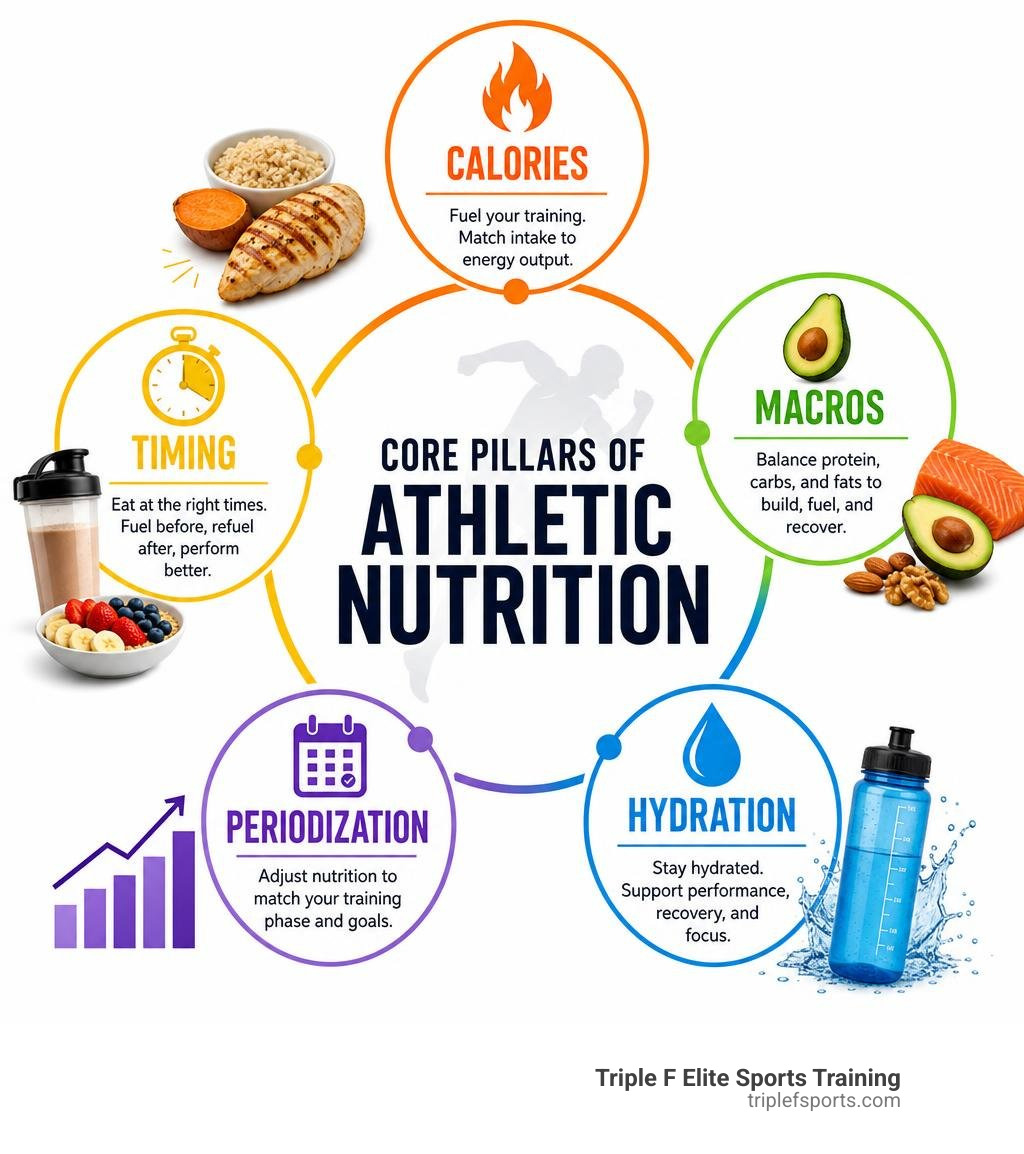
Meal plans for athletes basics:
What Makes Meal Plans for Athletes Different from General Fitness Diets?
To the untrained eye, a healthy diet is just a healthy diet. But there is a massive difference between eating to look good in a swimsuit and eating to dominate on the field, court, or track. General fitness nutrition typically focuses on calorie restriction, moderate portion sizes, and basic food groups to support general health and mild-to-moderate exercise.
Athletic meal planning, on the other hand, is a high-performance strategy. It treats food as direct fuel and recovery material. Athletes burn significantly more energy, experience higher rates of muscle tissue breakdown, and must manage glycogen replenishment to avoid hitting the wall.
| Feature | General Fitness Nutrition | Athletic Meal Planning |
|---|---|---|
| Primary Goal | Weight management, general wellness, body composition | Peak physical performance, rapid recovery, injury prevention |
| Calorie Targets | Often restricted (1,500–2,200 kcal/day) | Substantially higher (2,400–5,000+ kcal/day) |
| Carbohydrate Focus | Often limited or moderate (to manage body fat) | High to very high (essential for glycogen replenishment) |
| Meal Frequency | 3 standard meals, occasional snacks | 5 to 6 strategic feedings to meet high energy demands |
| Timing Sensitivity | Low (total daily intake is what matters most) | Extremely high (pre-, intra-, and post-workout windows) |
Our metabolic rate is fundamentally altered by intense, daily training. When you are pushing your body to the limit, your cellular machinery requires a steady stream of macronutrients. To make sure you are choosing the right fuel sources, check out our guide on how to Eat Your Way to the Podium with These Athlete Superfoods.
Fueling by Sport: Endurance vs. Strength Requirements
Different sports place entirely different physiological demands on your body. If you fuel a strength athlete like an ultra-marathoner, or vice versa, performance will suffer.
In endurance sports, the primary objective is maintaining aerobic energy production over long periods. Athletes in endurance disciplines may need up to 70% of their daily calories from carbohydrates. This translates to an impressive 8–10 g of carbohydrates per kg of body weight daily to keep glycogen stores fully saturated.
Because their energy expenditure is so high, endurance athletes must prioritize slow-digesting, complex carbohydrates like oats, sweet potatoes, and brown rice to avoid sudden energy crashes. Their protein needs are slightly lower but still crucial, sitting at 1.2–1.6 g of protein per kg of body weight daily to repair wear and tear from high-mileage training.
For strength-based sports, the focus shifts to muscle protein synthesis, explosive power, and rapid recovery between short, intense bursts of effort. Athletes in strength sports should aim for 1.6–2.2 g of protein per kg of body weight daily, which is the sweet spot for rebuilding micro-tears in muscle tissue.
While strength athletes do not need the extreme carbohydrate volume of a marathoner, they still require a solid foundation — roughly 50% of their total daily calories should come from carbohydrates to power explosive lifts. To see how to structure a menu with this specific focus, you can review this High-Protein Meal Plan for Athletes.
Periodization and Adjusting Your Baseline Meal Plans for Athletes
Your training is periodized throughout the year, which means your nutrition must be too. Eating the exact same way during a grueling mid-season training block as you do during the off-season or a rest week is a recipe for either under-fueling or unwanted fat gain.
During peak training phases, your calorie and carbohydrate needs skyrocket. On active recovery or rest days, your energy expenditure drops. You can easily adjust your baseline meal plan by scaling back your carbohydrates on rest days while keeping your protein intake identical. This protects your hard-earned muscle tissue while preventing excessive caloric surplus.
For those in dedicated bulking phases or naturally lean “hard gainers” who struggle to keep weight on, baseline templates must be scaled upward. If you find yourself stuck at a plateau, stepping up to a structured 3,500 Calorie Meal Plan Template: Heavy Bulk + Hard Gainer can provide the necessary surplus without forcing you to resort to low-quality junk food.
Designing and Customizing Your Daily Nutrition Plan
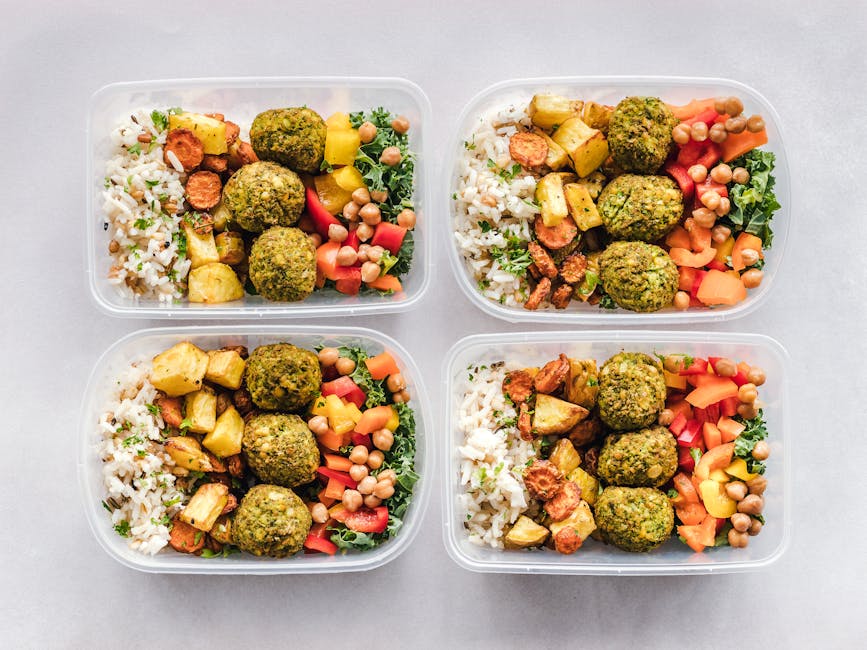
The secret to a successful meal plan is customization. A generic template is a great starting point, but it must be tailored to your specific weight, height, training schedule, and goals.
To estimate your baseline daily calorie needs, a practical starting point is multiplying your body weight in kilograms by 30 to 50 calories, depending on your training volume. High-intensity, multi-hour training days will put you at the upper end of that range (40–50 kcal/kg), while lighter recovery days or off-season periods will drop you to the lower end (30–35 kcal/kg).
For coaches who are building these templates for multiple clients, having a scalable structure is essential. Utilizing a professional Muscle Gain Meal Plan Template for Coaches (Free 2,800 kcal Plan) allows you to establish a solid macronutrient baseline that can be easily scaled up or down based on individual lean body mass and training demands.
The 3,200 kcal Template: A Starting Point for Competitive Athletes
For many competitive male athletes in the 140–180 lb range, or female athletes with exceptionally high training volumes, a 3,200 kcal daily target serves as an excellent foundational baseline. This calorie level is high enough to support muscle growth and intense training without causing excessive body fat gain.
To reach 3,200 calories comfortably without feeling bloated, we recommend breaking your intake down into 5 to 6 daily feedings. Spreading your meals out keeps your digestive system happy and ensures a steady supply of amino acids to your muscles.
Here is a balanced 3-day sample structure based on a 3,200 kcal target, featuring a macro split of approximately 25% protein, 50% carbohydrates, and 25% fat:
Day 1
- Breakfast (7:00 AM): 4 large eggs, 1.5 cups of cooked oatmeal with a handful of berries, and 1 large banana.
- Mid-Morning Snack (10:00 AM): 1 cup of Greek yogurt with 2 tablespoons of honey and 1/3 cup of almonds.
- Lunch (1:00 PM): 6 oz of grilled chicken breast, 1.5 cups of cooked quinoa, and a large side of roasted broccoli with olive oil.
- Pre-Workout Fuel (4:00 PM): 1 large apple with 2 tablespoons of natural peanut butter.
- Post-Workout Dinner (7:30 PM): 6 oz of baked salmon, 2 medium sweet potatoes, and a mixed green salad with avocado.
- Before-Bed Snack (9:30 PM): A protein shake (1.5 scoops of whey or casein) blended with 1 cup of milk and a banana.
Day 2
- Breakfast (7:00 AM): 3-egg omelet with spinach and feta cheese, 2 slices of whole-wheat seeded toast with half an avocado.
- Mid-Morning Snack (10:00 AM): Whole-wheat English muffin with 2 tablespoons of almond butter and sliced strawberries.
- Lunch (1:00 PM): 6 oz of lean ground turkey over 2 cups of brown rice, topped with black beans and fresh salsa.
- Pre-Workout Fuel (4:00 PM): 1 cup of pineapple chunks and a handful of walnuts.
- Post-Workout Dinner (7:30 PM): 8 oz of grilled sirloin steak, 1.5 cups of mashed potatoes, and roasted asparagus.
- Before-Bed Snack (9:30 PM): 1 cup of cottage cheese with sliced peaches and a drizzle of honey.
Day 3
- Breakfast (7:00 AM): Protein pancakes (made with oats, eggs, and protein powder) topped with maple syrup and a side of turkey bacon.
- Mid-Morning Snack (10:00 AM): 2 hard-boiled eggs and a bag of baby carrots with hummus.
- Lunch (1:00 PM): Tuna salad wrap using a large whole-wheat tortilla, mixed greens, and a side of baked pita chips.
- Pre-Workout Fuel (4:00 PM): Graham crackers with a smear of peanut butter and a small carton of chocolate milk.
- Post-Workout Dinner (7:30 PM): 6 oz of baked chicken breast, 2 cups of pasta with marinara sauce, and a side of garlic green beans.
- Before-Bed Snack (9:30 PM): A slow-digesting casein protein shake with a tablespoon of peanut butter blended in.
For a complete, easy-to-print weekly guide that you can take to the grocery store, you can download the Fuel Your Performance: 7-Day Athlete Meal Plan (PDF).
Timing and Frequency: When to Eat for Peak Performance
When you eat is almost as important as what you eat. Strategic meal timing ensures that your body has fuel readily available in your bloodstream when you train, and the necessary building blocks to repair tissue the moment you stop.
- Pre-Workout (2–3 Hours Before): Focus on a balanced meal rich in complex carbohydrates and moderate protein. This provides a steady release of glucose into your system.
- Immediate Pre-Workout (30–60 Minutes Before): If you need a quick energy boost, choose simple, fast-digesting carbohydrates with minimal fiber or fat (like a banana or graham crackers). This avoids digestive sluggishness or cramping.
- Post-Workout Recovery (Within 30–60 Minutes): Your muscles are primed for nutrient uptake. Consuming at least 20g of high-quality protein alongside carbohydrates kicks off muscle protein synthesis and rapidly replenishes depleted glycogen stores.
Game-Day Nutrition, Travel Strategies, and Avoiding Common Pitfalls

When competition day arrives, your nutrition strategy changes from building tissue to maximizing performance and preventing fatigue. The stakes are higher, and simple mistakes can lead to cramping, energy crashes, or gastrointestinal distress. If you want to dive deeper into the structure of professional programs, you can read our guide on How to Find the Best Sports Nutrition Programs Online Without Breaking a Sweat.
Pre-Workout, Post-Workout, and Competition-Day Adjustments
On game day, your primary focus is keeping your digestive system calm while keeping your energy high.
Avoid high-fat, high-fiber, and heavy dairy products in the 60 to 90 minutes leading up to your event. These foods slow down digestion and can cause severe stomach discomfort when your heart rate spikes. Instead, rely on simple carbohydrates that your body can absorb instantly.
During long tournaments or back-to-back events, sip on water mixed with electrolytes and snack on small portions of easily tolerable foods, like fruit pouches or sports drinks, to keep your blood glucose stable. Once the competition ends, shift immediately back to recovery mode with a protein and carbohydrate-rich meal within that critical post-workout window.
Navigating Travel, Eating Out, and On-the-Go Nutrition
Athletes travel frequently, and being away from your kitchen is one of the easiest ways to let your nutrition slip. With a little planning, you can stay on track even on the road.
Always pack a “travel kitbag” loaded with non-perishable, high-quality snacks. Beef jerky, protein powder packets, mixed nuts, bananas, and whole-grain crackers are easy to pack and can save you from relying on gas station fast food.
If you are eating out with your team, look at the menu in advance. Prioritize grilled, baked, or steamed options over fried foods. Ask for double protein portions, and request sauces on the side so you can control your fat intake.
If you are in the Knoxville area, there are great local options to make things easier. You can find healthy, pre-portioned meal prep options at Clean Eatz Knoxville TN Restaurant Locations. If you are a student-athlete at the University of Tennessee, navigating the campus dining halls can be simple if you focus on the whole-food stations. You can check out the daily menus at Vol Dining – University of Tennessee, Knoxville or look into specialized local meal delivery options like the University Of Tennessee’s Ultimate No. 1 Meal Plan | Fire Dept. Meals to keep your nutrition dialed in.
Common Mistakes Coaches Make with Meal Plans for Athletes
Even well-meaning coaches and trainers can fall into common nutritional traps when designing plans for their athletes. Recognizing these pitfalls is the first step to correcting them:
- Under-Fueling: Many coaches mistakenly apply fat-loss principles to competitive athletes, leading to chronic low energy availability (LEA) which increases injury risks and impairs recovery.
- The Low-Carb Mistake: Restricting carbohydrates for high-intensity athletes drastically reduces muscle glycogen, leading to flat training sessions and early fatigue.
- Ignoring Hydration: A meal plan is only as good as the hydration strategy supporting it. Dehydration of just 2% of body weight can significantly reduce endurance, power, and cognitive performance.
- Repetitive, Boring Plans: Forcing an athlete to eat the exact same chicken, rice, and broccoli meal every day leads to dietary boredom and poor compliance within a couple of weeks. Rotate recipes while keeping macro targets consistent.
Frequently Asked Questions about Athlete Nutrition
How many calories do competitive athletes need daily?
Daily calorie needs vary widely based on size, gender, and training volume. Generally, competitive male athletes require 2,400 to 3,000+ calories per day, while female athletes typically need 2,200 to 2,700 calories. During peak training blocks or heavy bulking phases, these numbers can easily climb above 4,000 to 5,000 calories. Utilizing professional metabolic testing is the most accurate way to determine your exact resting metabolic rate and daily energy expenditure.
What is the optimal protein intake for muscle recovery?
To support muscle protein synthesis and tissue repair, athletes should aim for 1.2 to 2.2 grams of protein per kilogram of body weight daily. This protein should be distributed evenly across 4 to 5 meals in 30 to 40g portions. To learn more about utilizing safe, high-quality supplements to help reach these targets, read our guide on Nutritional Supplements for Athletes: Boosting Performance Without Breaking the Rules.
How does hydration affect athletic performance?
Hydration is the ultimate performance enhancer. A tiny 2% drop in your body’s hydration levels can cause a noticeable decline in physical output, coordination, and decision-making. Athletes should aim for 80 to 96 ounces of water daily as a baseline, compared to just 48 to 64 ounces for the general population. During training, consume 4 to 6 ounces of fluid every 15 minutes, and replace lost sweat post-workout by drinking 16 ounces of water for every pound of body weight lost.
Conclusion
At the end of the day, a world-class training program will only take you as far as your nutrition allows. Your body cannot build strength, speed, or endurance out of thin air — it requires the right raw materials, delivered at the right times.
At Triple F Elite Sports Training in Knoxville, we are dedicated to professional, Christ-centered athletic development for youth and adult athletes. Our state-of-the-art facility provides comprehensive performance training, expert physical therapy, and a competitive volleyball club designed to unlock your absolute full potential.
Ready to match your hard work in the gym with a high-performance fueling strategy? We invite you to claim your free first training session with us. Let’s take the guesswork out of your performance. Explore our specialized Nutrition Coaching and Performance Programs today, and let’s start building a stronger, faster, and more resilient version of you.