

What You Need to Know About the Elite Volleyball Schedule
If you’re trying to map out an elite volleyball schedule — whether for a club team, a developing athlete, or a full competitive season — here’s a quick overview of the key phases and events:
Quick Reference: Elite Volleyball Season at a Glance
| Phase | Typical Timing | What’s Happening |
|---|---|---|
| Tryouts & Team Formation | July – September | Club tryouts, roster selection, skills clinics |
| Preseason / Fall Prep | September – November | Academies, training camps, fall leagues |
| Club Season | December – May | Regional tournaments, power leagues |
| National Championships | May – July | AAU Nationals, JVA World Challenge |
| Summer Programs | June – August | Beach clubs, skills camps, development leagues |
Volleyball seasons move fast, and planning ahead is everything. From regional club tournaments to national events like AAU Nationals and the JVA World Challenge — held in Louisville, KY — elite athletes and their families are constantly juggling training, travel, and recovery across overlapping calendars. Add in professional leagues like the LOVB (which runs a 15-week season across six pro cities) and international competitions like the VNL, and the landscape can feel overwhelming. This guide breaks it all down so you can plan smarter and compete with confidence.
I’m Kevin O’Shea, a Certified Strength and Conditioning Specialist who works with ambitious athletes in Knoxville to help them navigate exactly these kinds of challenges — from syncing training loads with an elite volleyball schedule to peaking at the right moment in the season. Let’s dig into how to structure your year for maximum performance.

Glossary for elite volleyball schedule:
Understanding the Elite Volleyball Schedule Structure
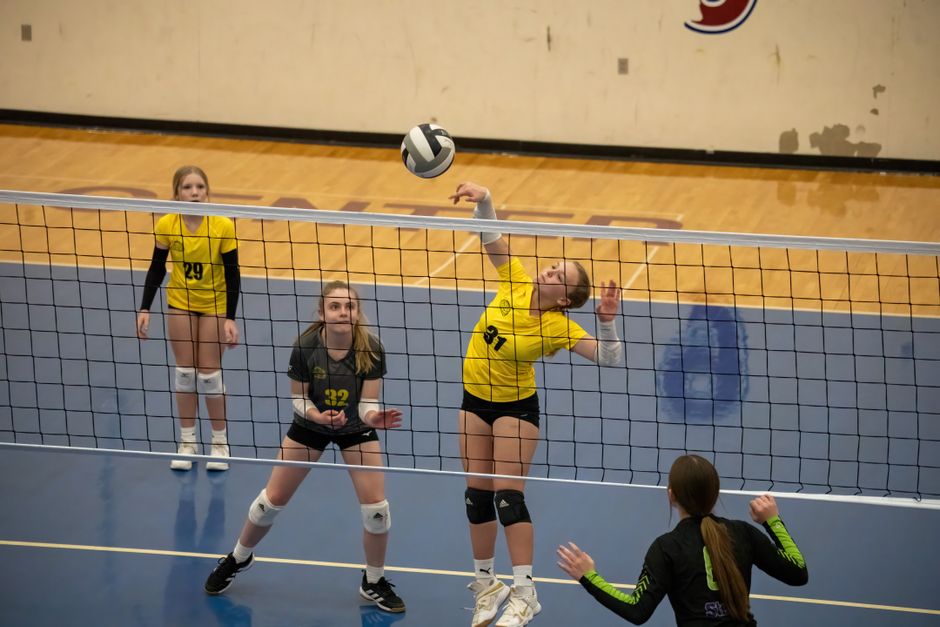
To successfully navigate an elite volleyball schedule, you first have to understand how the club season is built. The year is highly structured, divided by age divisions (ranging from 10U up to 18U) and team tiers. Most elite clubs organize their rosters into distinct levels—often designated as Elite, National, Red, Blue, or Silver. The tier your athlete plays on directly dictates the complexity, travel requirements, and intensity of their tournament schedule.
For instance, an “Elite” or “National” level team will compete in major multi-day national qualifiers, while regional or “Blue” teams might stick to single-day local tournaments. Understanding where your team fits is essential for managing your family’s calendar.
The tournament landscape itself is governed by several major national and regional organizations, each with its own tournament formats:
- AAU (Amateur Athletic Union): Famous for hosting the massive AAU National Championships in Orlando. AAU events do not require players to have memberships in other organizations and offer a highly competitive, open format.
- JVA (Junior Volleyball Association): Focuses solely on junior club volleyball. They run premier national events like the JVA World Challenge, known for elite-level competition and excellent organization.
- Regional Volleyball Associations: Local regions (such as the Southern Region or Badger Region) host localized power leagues and regional championships that serve as the bread and butter of the winter and spring calendar.
To help you visualize how these schedules differ based on team levels and tournament formats, we’ve broken down the key differences below. You can also monitor active tournament dates using our Volleyball Master Calendar.
| Team Level | Primary Tournament Formats | Travel Demands | Typical Season Length |
|---|---|---|---|
| National / Elite | AAU Nationals, JVA World Challenge, National Qualifiers | High (Multi-state travel, flights) | Late November to late June |
| Regional / Red | Regional Power Leagues, Local Qualifiers, State Championships | Moderate (In-state or neighboring states) | December to early May |
| Local / Blue & Silver | Single-day local tournaments, regional play days | Low (Within 1-2 hours of Knoxville) | January to April |
Club-Level vs. Professional and Collegiate Schedules
While club-level schedules focus heavily on youth development, recruiting, and regional travel, it is helpful to look at how professional and collegiate programs structure their years. This comparison gives young athletes a clear picture of what the next levels demand in terms of travel logistics, recovery, and competition density.
At the professional level, the LOVB (League One Volleyball) 2026 season showcases an incredibly intense format. Spanning 15 weeks of regular season play across six professional cities, the league features themed match nights (like Pride Night and National Girls & Women in Sports Day) and culminates in high-stakes playoffs and championships featuring unique golden set tiebreakers.
On the international stage, the Volleyball World Reveals 2026 VNL Match Schedule – FIVB shows how national teams balance global travel logistics. The 2026 Volleyball Nations League (VNL) features 18 men’s and 18 women’s national teams competing across multiple continents. In the preliminary phases, teams play 12 matches per stop, with the women’s competition opening in Nanjing, China, and the men’s in Linyi, China.
Top European national teams, such as Italy at VNL | Lega Pallavolo Serie A , must manage rosters filled with professional club athletes who transition directly from their domestic leagues (like Serie A) straight into international stops in Ottawa, Ljubljana, Kansai, and the finals in Ningbo.
For collegiate athletes, the grind is just as rigorous. Looking at the 2026 Men’s Volleyball Schedule – UCLA , the Bruins played a demanding 29-match schedule. Achieving a remarkable .935 overall win percentage (29-2 record) and a .929 conference win rate, their schedule required elite physical preparation to handle back-to-back match weekends, the MPSF Tournament, and the NCAA Championships.
If you are currently playing on a youth Volleyball Club Team, your travel may not span continents, but the scheduling principles remain the same. To prepare for these demands, you must build your year around key national tournaments. Here are the most critical events on the youth national calendar:
- AAU National Championships: Held in Orlando, FL, this is the largest volleyball event in the world, attracting thousands of teams every June.
- JVA World Challenge: A premier spring tournament held in Louisville, KY, that brings together the absolute best club talent in the country.
- USAV Girls Junior National Championships (GJNC): The pinnacle of USA Volleyball’s club season, requiring teams to earn a bid through strict regional or national qualifiers.
- Elite Invite Events: Specialized showcase events, similar to the European Schedule 2026 Elite Invite Leuven , designed to give top-tier teams concentrated exposure to collegiate scouts.
Key Phases of a Competitive Volleyball Calendar

An elite volleyball schedule is not just a list of tournament dates; it is a living, breathing cycle that requires careful planning across distinct seasonal phases. To keep athletes healthy and performing at their peak, coaches and sports performance specialists structure the calendar into clear blocks:
- The Accumulation & Capacity Phase (Late Summer/Early Fall): Building the work capacity, strength foundation, and movement mechanics needed to survive the upcoming season.
- The Ramp-Up & Power Phase (Late Fall): Transitioning raw strength into explosive jumping power and lateral speed, while introducing position-specific court reps.
- The In-Season Maintenance Phase (Winter/Spring): Managing training volume to preserve strength and vertical jump height while traveling and competing.
- The Championship Peak (Late Spring/Summer): Tapering training volume while keeping intensity high so athletes are at their absolute physical best for national tournaments.
Preseason Preparation and Your Elite Volleyball Schedule
The foundation of an injury-free, dominant season is laid in the preseason. For Knoxville athletes, this means implementing a comprehensive preseason blueprint that aligns your gym workouts with your on-court club phases.
During this time, we focus on a structured training split that balances strength, power, and plyometric progressions. It is crucial to master acceleration mechanics and lateral shuffle efficiency before the heavy tournament schedule begins. We teach athletes how to sequence their daily mobility circuits and manage their training loads—ensuring they never increase their weekly training volume by more than 10%.
By establishing smart recovery routines, prioritizing sleep, and focusing on proper nutrition, you build a resilient body. For a deep dive into how to structure this period, check out The Ultimate Guide to Volleyball Training.
Navigating Tryouts and In-Season Elite Volleyball Schedule Demands
Once tryout season arrives, the calendar gets incredibly hectic. Athletes often face overlapping schedules, trying to balance school ball commitments with club tryouts and pre-season training.
To help athletes stand out and earn their spot on top-tier rosters, we host targeted clinics designed to sharpen skills under pressure. Preparing physically and mentally for these selection weekends is vital. You can stay ahead of the game by registering for our upcoming Tryouts 2026-27 Season and preparing your skills at our specialized Volleyball Pre-Tryout Clinics.
Training, Academies, and Skill Development Programs
To truly excel when the competitive club season begins, elite athletes must commit to continuous skill development outside of regular team practices. Team practices are fantastic for working on 6-on-6 systems, rotational strategies, and team chemistry, but they rarely offer the volume of individual, high-quality touches a player needs to master their position.
That is where specialized academies and developmental programs become game-changers. Programs like a dedicated setting academy or a serve receive academy allow players to break down complex movement patterns into highly repetitive, focused drills.
For example, a setter can focus strictly on hand placement, footwork tempo, and out-of-system decision-making, while liberos and pin hitters can dedicate hours to mastering platform angles and reading serve trajectories.
Additionally, summer camps and sports performance training bridge the gap during the off-season. In Knoxville, finding the right training environment is key to staying sharp and maintaining your competitive edge.
Combining court sessions with science-based sports performance training ensures that your strength, vertical jump, and lateral quickness match your technical skills. To find local training opportunities, explore our Volleyball Clinics & Camps Knoxville and check out our guide on Volleyball Skill Development: Drills and Strategies for Success.
Frequently Asked Questions About Elite Volleyball Schedules
Managing a competitive sports calendar comes with plenty of questions. Here are the answers to some of the most common scheduling and planning questions we receive from Knoxville families:
When does the club volleyball season typically begin?
For most elite clubs, the cycle begins with tryout dates in July (for older age groups) and October/November (for younger divisions). Once rosters are set, the formal winter season kicks off with practices in November or early December. First tournaments typically begin in January and run through the spring, while summer programs and beach clubs keep athletes active during the off-season months of June and July.
How do national tournaments impact club schedules?
National tournaments like AAU Nationals and the JVA World Challenge significantly extend the club season. Instead of wrapping up in late April or early May, teams competing on a national track will train all the way through June. These events require meticulous travel logistics, as families must plan for multi-day out-of-state stays, flights, and team block hotel bookings.
How can athletes balance training and recovery during a busy season?
Balancing a packed schedule requires a proactive approach to load management. Athletes must treat recovery with the same seriousness as their on-court training. This means securing 8 to 9 hours of sleep per night, maintaining proper caloric and hydration intake, and utilizing professional physical therapy and sports medicine to address minor aches before they turn into overuse injuries.
Conclusion
Navigating an elite volleyball schedule requires more than just showing up to practice; it demands a strategic, year-round commitment to physical preparation, skill development, and smart recovery. By understanding how the competitive calendar is structured and aligning your training splits accordingly, you can protect your body from injury and ensure you peak when the championship matches are on the line.
At Triple F Elite Sports Training in Knoxville, TN, we are dedicated to helping youth and adult athletes unlock their absolute full potential. We provide professional, Christ-centered athletic development that integrates comprehensive performance training, elite sports physical therapy, and specialized volleyball programs.
We want to help you dominate your next season. Come experience the Triple F difference firsthand—your first training session is completely free.
Ready to take your game to the next level? Explore our Triple F Elite Sports Training Volleyball Programs and sign up for your free session today!